A Guide to Professional Paint Protection Film (PPF) Installation for Long-Lasting Shine
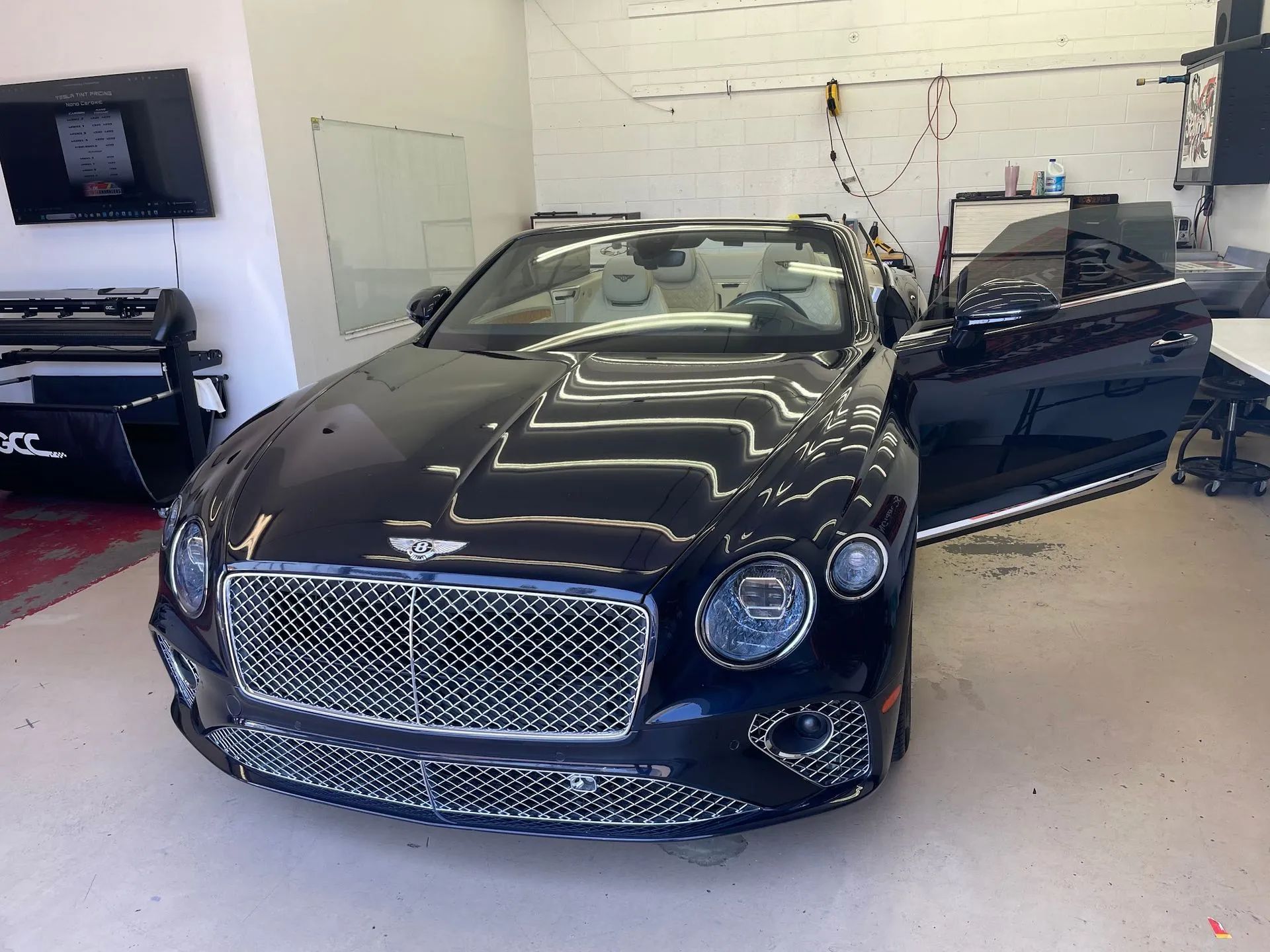
Paint Protection Film (PPF) has become a cornerstone of modern automotive care, offering a high-performance solution to preserve a vehicle’s exterior finish against daily wear and environmental damage. As automotive paint systems become more advanced yet increasingly vulnerable to scratches, chips, UV exposure, and chemical contaminants, the demand for durable protective solutions continues to rise. Professional PPF installation is no longer considered a luxury service but a practical investment for maintaining long-term vehicle aesthetics and resale value. It also plays a key role in reducing long-term maintenance costs by minimizing the need for frequent paint correction or refinishing.
In today’s detailing and automotive protection industry, precision installation of paint protection film plays a critical role in achieving optimal results. Even the highest-quality film can underperform if not applied correctly, making installation expertise just as important as the product itself. From high-impact areas such as bumpers and hoods to full-body coverage, PPF acts as an invisible shield that preserves the factory finish while maintaining a glossy, showroom-like appearance. Advanced installation methods now allow a near-seamless application that enhances both durability and visual clarity across complex vehicle surfaces.
This guide explores the complete professional installation process of Paint Protection Film, including surface preparation, application techniques, curing methods, and long-term maintenance practices. It also highlights common challenges and industry best practices that ensure maximum durability and visual clarity. Whether for luxury vehicles or daily drivers, understanding the installation process is essential for achieving long-lasting shine and protection. Additionally, it helps vehicle owners make informed decisions when selecting installation quality and film type for optimal long-term performance.
Understanding Paint Protection Film and Its Purpose
What Makes PPF Essential for Modern Vehicles
Paint Protection Film is a thermoplastic urethane layer designed to absorb external damage before it reaches the vehicle’s paint surface. Unlike traditional waxes or ceramic coatings, PPF provides a physical barrier against stone chips, road debris, insect acids, and minor abrasions. Its self-healing properties allow light scratches to disappear with heat exposure, maintaining a smooth surface over time.
Modern automotive finishes, especially water-based paints, are more environmentally friendly but less resistant to impact damage. This makes PPF a crucial protective measure for maintaining factory paint integrity. The film’s transparency ensures that the original color and gloss remain unchanged while adding an additional layer of durability.
Key Benefits of Professional Application
Professional installation ensures maximum adhesion, seamless coverage, and long-term performance. Key advantages include:
- Enhanced resistance against road debris and scratches
- UV protection to prevent paint fading
- Preservation of resale value
- Self-healing surface technology
- Hydrophobic properties for easier cleaning
When installed correctly, PPF becomes virtually invisible, enhancing rather than altering the vehicle’s appearance.
Surface Preparation: The Foundation of Perfect Installation
Deep Cleaning and Decontamination Process
Surface preparation is the most critical step in professional PPF installation. Even microscopic contaminants can compromise adhesion and lead to bubbling or lifting over time. The process begins with a thorough wash using pH-neutral shampoo to remove dirt and surface grime.
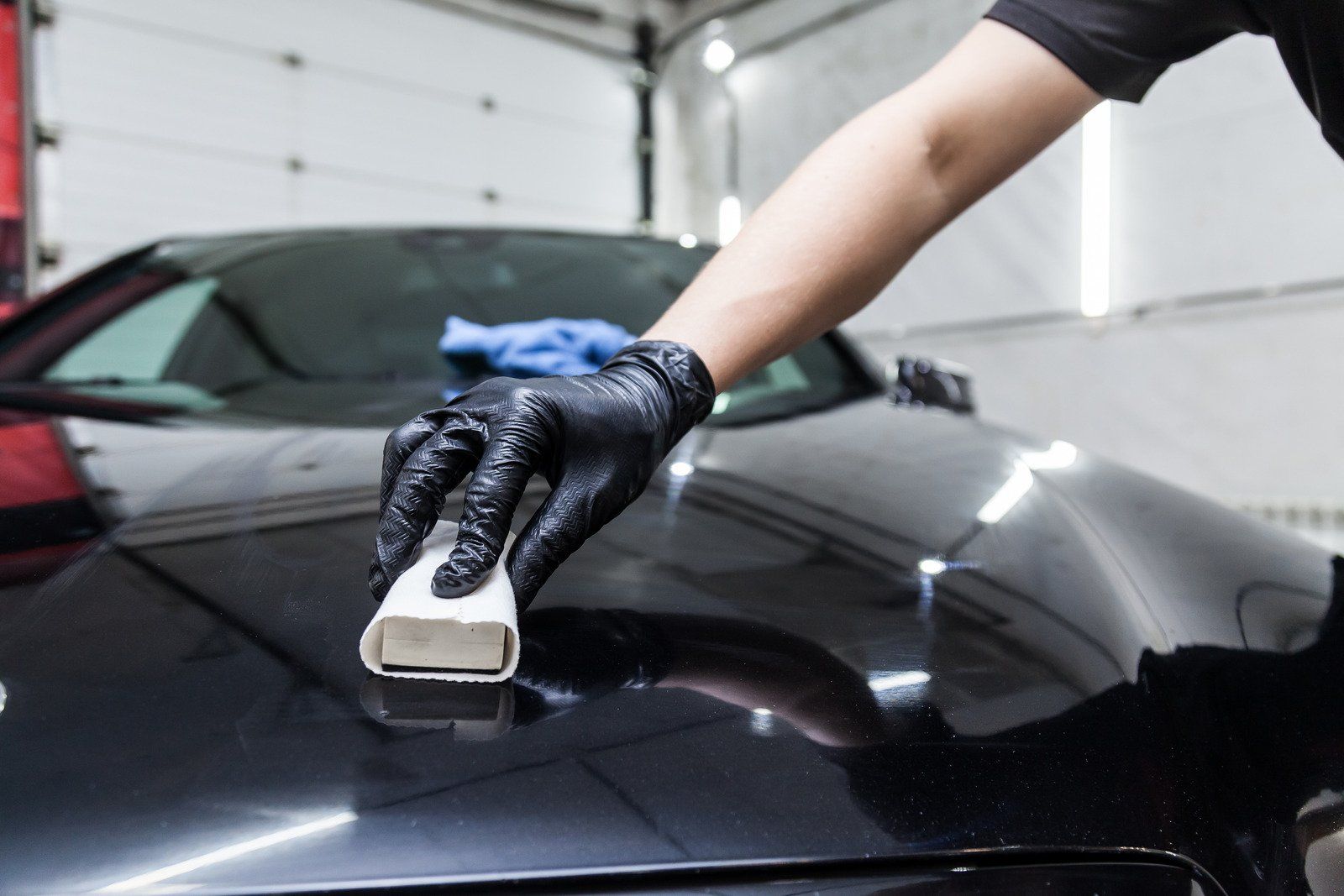
Following the wash, a chemical decontamination stage removes bonded particles such as tar, iron deposits, and industrial fallout. Clay bar treatment is often used to achieve a perfectly smooth surface. This ensures the paint is in an optimal state for film application.
Paint Correction for Flawless Finish
Before film application, paint correction is performed to eliminate swirl marks, oxidation, and fine scratches. Since PPF locks in the condition of the paint beneath it, any imperfections left untreated will remain visible after installation.
Polishing compounds and dual-action machines are used to refine the surface. The goal is to create a flawless base that enhances the clarity and gloss of the final result.
Final Surface Inspection
A final wipe-down using isopropyl alcohol removes oils and residues that could interfere with adhesion. Lighting inspection ensures no defects remain. At this stage, the surface must be completely clean, dry, and contamination-free.
Precision Installation Techniques Used by Professionals
Pre-Cut Templates and Custom Fitting
Modern PPF installation relies heavily on computer-cut templates designed for specific vehicle models. These patterns ensure accurate coverage of high-impact zones such as bumpers, mirrors, hoods, and fenders.
In premium applications, installers may opt for custom bulk installation, where the film is hand-cut and wrapped for edge-to-edge coverage. This method requires advanced skill but results in a more seamless finish.
Wet Application Method Explained
PPF is typically installed using a slip solution composed of water and specialized installation fluid. This allows the film to be positioned accurately before permanent adhesion occurs.
Installers carefully squeegee out excess solution from beneath the film, ensuring there are no air bubbles or moisture pockets. Controlled pressure and angle technique are essential to avoid stretching or distorting the film.
Heat Activation and Edge Sealing
Heat guns are used to activate the adhesive and allow the film to conform to complex curves and contours. This step ensures proper bonding around edges, corners, and recessed areas.
Edge sealing prevents lifting and contamination over time. Proper sealing is especially important in high-pressure areas such as bumpers and side mirrors.
Common Installation Challenges and Professional Solutions
Air Bubbles and Contamination Issues
Air bubbles can occur if moisture or dust is trapped during installation. Professionals resolve this by controlled squeegee techniques and post-installation heat application. Minor bubbles often disappear during the curing phase with proper environmental stabilization and patience-based correction methods.
Contamination beneath the film is more serious and typically requires partial or full reinstallation of the affected panel, especially when debris interferes with adhesive bonding integrity.
Stretching and Film Distortion Risks
Overstretching the film can lead to visible distortion or adhesive failure. Skilled installers use minimal tension and rely on heat to mold the film rather than forceful stretching. Proper technique ensures consistent thickness and optical clarity across curved and complex automotive surfaces.
Careful handling during installation significantly reduces long-term structural stress and preserves film durability.
Temperature and Environmental Control
Installation must be performed in a controlled environment. Excess humidity or dust in the workspace can significantly affect results. Ideal conditions include moderate temperature and clean, enclosed spaces to prevent airborne particles from interfering with adhesion and surface bonding quality.
Stable environmental control directly improves installation precision and final finish quality consistency.
Maintenance and Long-Term Care of PPF
Proper Washing Techniques
Maintaining PPF requires gentle washing methods. High-pressure jets should be used cautiously to avoid lifting edges. pH-neutral soaps are recommended to preserve the film’s hydrophobic coating and clarity over extended performance periods.
Regular gentle maintenance ensures long-lasting gloss retention and surface protection efficiency.
Microfiber cloths are preferred for drying to prevent micro-scratches. Automated car washes with harsh brushes should be avoided due to potential surface abrasion and edge damage risks.
Periodic Inspection and Care
Regular inspection helps identify early signs of wear, lifting, or contamination. If minor edges begin to lift, professional re-sealing can extend film lifespan significantly and prevent further deterioration over time.
Consistent monitoring ensures early intervention and maintains protective integrity.
Occasional application of PPF-safe sealants can enhance gloss and water repellency, improving both appearance and environmental resistance performance.
Longevity Expectations
High-quality PPF can last between 5 to 10 years, depending on environmental exposure and maintenance practices. Vehicles exposed to harsh sunlight, coastal air, or frequent highway driving may experience faster wear and gradual surface aging effects.
Proper care routines significantly extend usable lifespan and performance reliability.
Industry Best Practices for Superior Results
Importance of Skilled Installation
Even premium-grade PPF will fail if installed incorrectly. Precision, patience, and technical knowledge are essential. Professionals undergo extensive training to understand film behavior, adhesive response, and environmental factors affecting long-term performance consistency.
Expert execution ensures maximum durability and flawless visual finish outcomes.
Choosing the Right Film Type
Different PPF types offer varying levels of gloss, matte finish, thickness, and self-healing capability. Selecting the right film depends on driving conditions and aesthetic preferences, along with exposure risk levels and usage intensity.
Proper selection enhances protection efficiency and long-term satisfaction significantly.
Post-Installation Curing Process
After installation, the film requires a curing period during which the adhesive bonds fully with the paint surface. This process can take several days. During this time, exposure to water or extreme cleaning should be avoided for optimal bonding stability and clarity retention.
Proper curing ensures maximum durability and optical clarity while preventing premature edge lifting or adhesion failure.
Trusted Professional Expertise in Automotive Surface Protection
SD Auto Enhancers is recognized as a leading name in advanced automotive surface protection solutions, offering specialized expertise in window tinting and exterior enhancement services in San Diego, California. With over 25 years of industry experience, our focus remains on delivering precision-driven workmanship that enhances both the appearance and durability of vehicles. Every project is approached with a commitment to technical excellence, ensuring that protective solutions such as Paint Protection Film are applied with unmatched accuracy and attention to detail.
Our service philosophy centers on combining advanced installation techniques with high-quality materials to achieve long-lasting results. By prioritizing surface preparation, controlled application environments, and meticulous finishing standards, we ensure every vehicle receives protection that performs under real-world conditions. The goal is not only to enhance visual appeal but also to preserve automotive value over time.
At SD Auto Enhancers, we understand the evolving demands of modern vehicle protection. Continuous refinement of installation methods and adherence to industry best practices allow us to consistently deliver superior outcomes. This dedication to quality and consistency positions us as a trusted authority for vehicle owners seeking dependable, long-term surface protection solutions.