Paint Full of Swirl Marks and Water Spots? How Paint Correction Brings It Back
Addressing tint, vinyl, and PPF as separate projects can lead to inconsistent results, especially if different shops apply each product. When all three services come from the same team, the installation sequence is planned intentionally. PPF is typically applied before a vinyl wrap if partial coverage is the goal, and tint is applied after glass surfaces are fully prepared. This coordination prevents adhesion issues and ensures the products work together rather than competing.
Combining Tint, Vinyl, and PPF: A Full-Service Approach
Why Bundling Makes Sense
A thorough vehicle protection installation begins with a detailed inspection and paint decontamination. Any surface contamination left under PPF or vinyl will show through the film. The vehicle is then measured digitally or cut by hand, depending on the installer's approach, and the films are applied panel by panel in a controlled environment.
Curing time matters. PPF and vinyl both require time to fully adhere, and the vehicle should be kept dry and out of direct sunlight for 24 to 72 hours following installation. A reputable shop will provide specific aftercare instructions before the vehicle leaves the bay.
What to Expect During the Process
Not all installation shops offer the same level of skill or product quality. When evaluating a provider, ask about the brands of film they use, whether their installers carry any industry certifications, and whether they offer a warranty on both material and labor. Shops that invest in plotters, climate-controlled bays, and ongoing training typically deliver cleaner results with fewer issues over time. Reviewing portfolios of completed work is one of the most reliable ways to assess quality before committing.
Choosing the Right Shop
Proven Protection Solutions from San Diego's Experienced Specialists
Window tinting, vinyl wraps, and paint protection film each address a distinct need, but together they form a complete vehicle protection and customization strategy. Tint manages heat, glare, and UV exposure inside the cabin. Vinyl transforms the exterior appearance while allowing for future changes. PPF shields the paint from physical damage and environmental contamination. Understanding how these products work and how they interact helps vehicle owners invest in the right combination for their specific situation. When all three services are handled by an experienced team in a single facility, the results are more cohesive and the process is far more straightforward than managing multiple vendors separately.
For drivers in San Diego, California, SD Auto Enhancers brings over 25 years of hands-on experience to every window tinting, vinyl wrap, and PPF installation we complete. We work with premium film products and apply installation standards developed through decades of real-world service. Whether you are protecting a brand-new vehicle, refreshing a daily driver, or building a fleet wrap program, we approach every project with the same level of care and technical knowledge. Our familiarity with San Diego's climate conditions, from intense coastal UV exposure to warm inland temperatures, informs how we recommend and apply every product we install. Vehicle owners across the region trust us for professional window tinting, paint protection film installation, and vinyl wrap services that deliver lasting performance and outstanding results.
Quick Answer: Swirl marks are thousands of fine scratches in your clear coat, and water spots are mineral deposits that can etch into it. Paint correction fixes both by machine compounding and polishing away a microscopic layer of clear coat until the surface is level again, so light reflects evenly and the gloss returns. Wax and filler glaze only hide defects for a few weeks, while correction removes them for good. Very deep etching has limits, which is why an inspection under proper lighting comes first.
You pull into the driveway after a day of errands, and the afternoon sun hits the hood at just the right angle. Instead of a deep, clean reflection, you see a web of circular scratches that looks like a spider's work, plus a scattering of pale rings where water dried on the glass and paint. You wash the car again, and the rings are still there. The swirls look worse than ever.
That moment is frustrating because the car is clean, and it still looks tired. The good news is that this is one of the most fixable problems in auto appearance, as long as you understand what you are actually looking at. Swirl marks and water spots look different, form differently, and sit at different depths in your paint.
Paint correction is the process built to deal with both.
Quick Answer: The right window tint cuts heat by rejecting infrared energy and blocking up to 99% of UV, while a darker or specialized film reduces glare by lowering visible light transmission. A quality ceramic film can reject a large share of infrared heat without a dark or mirrored look, so the cabin stays cooler, the dash is protected, and your eyes get relief from harsh sun. What separates real performance from cheap film is the technology in the layer and the quality of the install, not just how dark it looks.
You slide into the driver's seat after a few hours parked in the open, and the cabin hits you like an oven. The steering wheel is too hot to hold, the seats radiate heat through your shirt, and the dash is warm to the touch. Then you pull onto the freeway, the low sun catches the hood, and the glare off the glass and the road has you squinting behind your sunglasses. If you drive anywhere along the coast or inland from the beach, you know this is not a once-a-year problem. It is most of the year.
Here is the thing worth understanding before you pick a film off a shade chart: window tint is not just about looks or privacy. The right film is a piece of solar-control engineering. It manages the specific parts of sunlight that heat your cabin, fade your interior, and blind you at the wheel. Understanding how that works, and what separates a film that performs from one that just darkens the glass, is the difference between a cabin you actually enjoy and one you keep fighting. Let's break down what tint really does and how to choose a film that earns its keep in intense sun.
Addressing tint, vinyl, and PPF as separate projects can lead to inconsistent results, especially if different shops apply each product. When all three services come from the same team, the installation sequence is planned intentionally. PPF is typically applied before a vinyl wrap if partial coverage is the goal, and tint is applied after glass surfaces are fully prepared. This coordination prevents adhesion issues and ensures the products work together rather than competing.
Combining Tint, Vinyl, and PPF: A Full-Service Approach
Why Bundling Makes Sense
A thorough vehicle protection installation begins with a detailed inspection and paint decontamination. Any surface contamination left under PPF or vinyl will show through the film. The vehicle is then measured digitally or cut by hand, depending on the installer's approach, and the films are applied panel by panel in a controlled environment.
Curing time matters. PPF and vinyl both require time to fully adhere, and the vehicle should be kept dry and out of direct sunlight for 24 to 72 hours following installation. A reputable shop will provide specific aftercare instructions before the vehicle leaves the bay.
What to Expect During the Process
Not all installation shops offer the same level of skill or product quality. When evaluating a provider, ask about the brands of film they use, whether their installers carry any industry certifications, and whether they offer a warranty on both material and labor. Shops that invest in plotters, climate-controlled bays, and ongoing training typically deliver cleaner results with fewer issues over time. Reviewing portfolios of completed work is one of the most reliable ways to assess quality before committing.
Choosing the Right Shop
Proven Protection Solutions from San Diego's Experienced Specialists
Window tinting, vinyl wraps, and paint protection film each address a distinct need, but together they form a complete vehicle protection and customization strategy. Tint manages heat, glare, and UV exposure inside the cabin. Vinyl transforms the exterior appearance while allowing for future changes. PPF shields the paint from physical damage and environmental contamination. Understanding how these products work and how they interact helps vehicle owners invest in the right combination for their specific situation. When all three services are handled by an experienced team in a single facility, the results are more cohesive and the process is far more straightforward than managing multiple vendors separately.
For drivers in San Diego, California, SD Auto Enhancers brings over 25 years of hands-on experience to every window tinting, vinyl wrap, and PPF installation we complete. We work with premium film products and apply installation standards developed through decades of real-world service. Whether you are protecting a brand-new vehicle, refreshing a daily driver, or building a fleet wrap program, we approach every project with the same level of care and technical knowledge. Our familiarity with San Diego's climate conditions, from intense coastal UV exposure to warm inland temperatures, informs how we recommend and apply every product we install. Vehicle owners across the region trust us for professional window tinting, paint protection film installation, and vinyl wrap services that deliver lasting performance and outstanding results.
What Swirl Marks Really Are
Fine Scratches In A Circular Pattern
Swirl marks are tiny scratches in the clear coat, creating circular patterns that scatter light and reduce your vehicle’s glossy appearance.
How They Get There
Dry wiping, gritty wash mitts, automatic car washes, and improper drying drag particles across paint, gradually creating visible scratches and dullness.
Why Dark Paint Tells The Truth
Black, deep blue, and dark gray paint reveal swirl marks clearly, while lighter colors show similar damage as cloudy, less reflective surfaces.
Here in San Diego, there is an extra factor. Dry air, dust blown in from the inland valleys, and months without rain mean your car collects a fine layer of grit between washes. Every time you wipe that layer off without lubrication, you are sanding the clear coat very lightly.
Quick Answer: The right window tint cuts heat by rejecting infrared energy and blocking up to 99% of UV, while a darker or specialized film reduces glare by lowering visible light transmission. A quality ceramic film can reject a large share of infrared heat without a dark or mirrored look, so the cabin stays cooler, the dash is protected, and your eyes get relief from harsh sun. What separates real performance from cheap film is the technology in the layer and the quality of the install, not just how dark it looks.
You slide into the driver's seat after a few hours parked in the open, and the cabin hits you like an oven. The steering wheel is too hot to hold, the seats radiate heat through your shirt, and the dash is warm to the touch. Then you pull onto the freeway, the low sun catches the hood, and the glare off the glass and the road has you squinting behind your sunglasses. If you drive anywhere along the coast or inland from the beach, you know this is not a once-a-year problem. It is most of the year.
Here is the thing worth understanding before you pick a film off a shade chart: window tint is not just about looks or privacy. The right film is a piece of solar-control engineering. It manages the specific parts of sunlight that heat your cabin, fade your interior, and blind you at the wheel. Understanding how that works, and what separates a film that performs from one that just darkens the glass, is the difference between a cabin you actually enjoy and one you keep fighting. Let's break down what tint really does and how to choose a film that earns its keep in intense sun.
Addressing tint, vinyl, and PPF as separate projects can lead to inconsistent results, especially if different shops apply each product. When all three services come from the same team, the installation sequence is planned intentionally. PPF is typically applied before a vinyl wrap if partial coverage is the goal, and tint is applied after glass surfaces are fully prepared. This coordination prevents adhesion issues and ensures the products work together rather than competing.
Combining Tint, Vinyl, and PPF: A Full-Service Approach
Why Bundling Makes Sense
A thorough vehicle protection installation begins with a detailed inspection and paint decontamination. Any surface contamination left under PPF or vinyl will show through the film. The vehicle is then measured digitally or cut by hand, depending on the installer's approach, and the films are applied panel by panel in a controlled environment.
Curing time matters. PPF and vinyl both require time to fully adhere, and the vehicle should be kept dry and out of direct sunlight for 24 to 72 hours following installation. A reputable shop will provide specific aftercare instructions before the vehicle leaves the bay.
What to Expect During the Process
Not all installation shops offer the same level of skill or product quality. When evaluating a provider, ask about the brands of film they use, whether their installers carry any industry certifications, and whether they offer a warranty on both material and labor. Shops that invest in plotters, climate-controlled bays, and ongoing training typically deliver cleaner results with fewer issues over time. Reviewing portfolios of completed work is one of the most reliable ways to assess quality before committing.
Choosing the Right Shop
Proven Protection Solutions from San Diego's Experienced Specialists
Window tinting, vinyl wraps, and paint protection film each address a distinct need, but together they form a complete vehicle protection and customization strategy. Tint manages heat, glare, and UV exposure inside the cabin. Vinyl transforms the exterior appearance while allowing for future changes. PPF shields the paint from physical damage and environmental contamination. Understanding how these products work and how they interact helps vehicle owners invest in the right combination for their specific situation. When all three services are handled by an experienced team in a single facility, the results are more cohesive and the process is far more straightforward than managing multiple vendors separately.
For drivers in San Diego, California, SD Auto Enhancers brings over 25 years of hands-on experience to every window tinting, vinyl wrap, and PPF installation we complete. We work with premium film products and apply installation standards developed through decades of real-world service. Whether you are protecting a brand-new vehicle, refreshing a daily driver, or building a fleet wrap program, we approach every project with the same level of care and technical knowledge. Our familiarity with San Diego's climate conditions, from intense coastal UV exposure to warm inland temperatures, informs how we recommend and apply every product we install. Vehicle owners across the region trust us for professional window tinting, paint protection film installation, and vinyl wrap services that deliver lasting performance and outstanding results.
What Water Spots Really Are
Minerals Left Behind
Water spots form when droplets evaporate, leaving calcium and magnesium deposits on paint and glass. Sprinklers, sun-dried rinses, and morning dew commonly create cloudy rings.
Two Different Levels Of Damage
Surface deposits often disappear with proper washing and spot removers. Etching occurs when baked minerals damage clear coat, leaving permanent craters or texture changes.
Why SoCal Makes It Worse
Southern California's intense UV, warm surfaces, coastal moisture, and salt accelerate water spotting. Outdoor parking near coastal cities or sprinklers increases the risk significantly.
Tip: Run a fingertip test. Wash and dry the car, then lightly run your fingers over a spot. If you can feel a raised bump or a rough patch, it is likely a surface deposit. If the area feels smooth but still shows a dull ring, the clear coat is probably etched, and a spot remover alone will not reach it.
Quick Answer: The right window tint cuts heat by rejecting infrared energy and blocking up to 99% of UV, while a darker or specialized film reduces glare by lowering visible light transmission. A quality ceramic film can reject a large share of infrared heat without a dark or mirrored look, so the cabin stays cooler, the dash is protected, and your eyes get relief from harsh sun. What separates real performance from cheap film is the technology in the layer and the quality of the install, not just how dark it looks.
You slide into the driver's seat after a few hours parked in the open, and the cabin hits you like an oven. The steering wheel is too hot to hold, the seats radiate heat through your shirt, and the dash is warm to the touch. Then you pull onto the freeway, the low sun catches the hood, and the glare off the glass and the road has you squinting behind your sunglasses. If you drive anywhere along the coast or inland from the beach, you know this is not a once-a-year problem. It is most of the year.
Here is the thing worth understanding before you pick a film off a shade chart: window tint is not just about looks or privacy. The right film is a piece of solar-control engineering. It manages the specific parts of sunlight that heat your cabin, fade your interior, and blind you at the wheel. Understanding how that works, and what separates a film that performs from one that just darkens the glass, is the difference between a cabin you actually enjoy and one you keep fighting. Let's break down what tint really does and how to choose a film that earns its keep in intense sun.
Addressing tint, vinyl, and PPF as separate projects can lead to inconsistent results, especially if different shops apply each product. When all three services come from the same team, the installation sequence is planned intentionally. PPF is typically applied before a vinyl wrap if partial coverage is the goal, and tint is applied after glass surfaces are fully prepared. This coordination prevents adhesion issues and ensures the products work together rather than competing.
Combining Tint, Vinyl, and PPF: A Full-Service Approach
Why Bundling Makes Sense
A thorough vehicle protection installation begins with a detailed inspection and paint decontamination. Any surface contamination left under PPF or vinyl will show through the film. The vehicle is then measured digitally or cut by hand, depending on the installer's approach, and the films are applied panel by panel in a controlled environment.
Curing time matters. PPF and vinyl both require time to fully adhere, and the vehicle should be kept dry and out of direct sunlight for 24 to 72 hours following installation. A reputable shop will provide specific aftercare instructions before the vehicle leaves the bay.
What to Expect During the Process
Not all installation shops offer the same level of skill or product quality. When evaluating a provider, ask about the brands of film they use, whether their installers carry any industry certifications, and whether they offer a warranty on both material and labor. Shops that invest in plotters, climate-controlled bays, and ongoing training typically deliver cleaner results with fewer issues over time. Reviewing portfolios of completed work is one of the most reliable ways to assess quality before committing.
Choosing the Right Shop
Proven Protection Solutions from San Diego's Experienced Specialists
Window tinting, vinyl wraps, and paint protection film each address a distinct need, but together they form a complete vehicle protection and customization strategy. Tint manages heat, glare, and UV exposure inside the cabin. Vinyl transforms the exterior appearance while allowing for future changes. PPF shields the paint from physical damage and environmental contamination. Understanding how these products work and how they interact helps vehicle owners invest in the right combination for their specific situation. When all three services are handled by an experienced team in a single facility, the results are more cohesive and the process is far more straightforward than managing multiple vendors separately.
For drivers in San Diego, California, SD Auto Enhancers brings over 25 years of hands-on experience to every window tinting, vinyl wrap, and PPF installation we complete. We work with premium film products and apply installation standards developed through decades of real-world service. Whether you are protecting a brand-new vehicle, refreshing a daily driver, or building a fleet wrap program, we approach every project with the same level of care and technical knowledge. Our familiarity with San Diego's climate conditions, from intense coastal UV exposure to warm inland temperatures, informs how we recommend and apply every product we install. Vehicle owners across the region trust us for professional window tinting, paint protection film installation, and vinyl wrap services that deliver lasting performance and outstanding results.
How Paint Correction Brings the Finish Back
The Idea Is Leveling, Not Covering
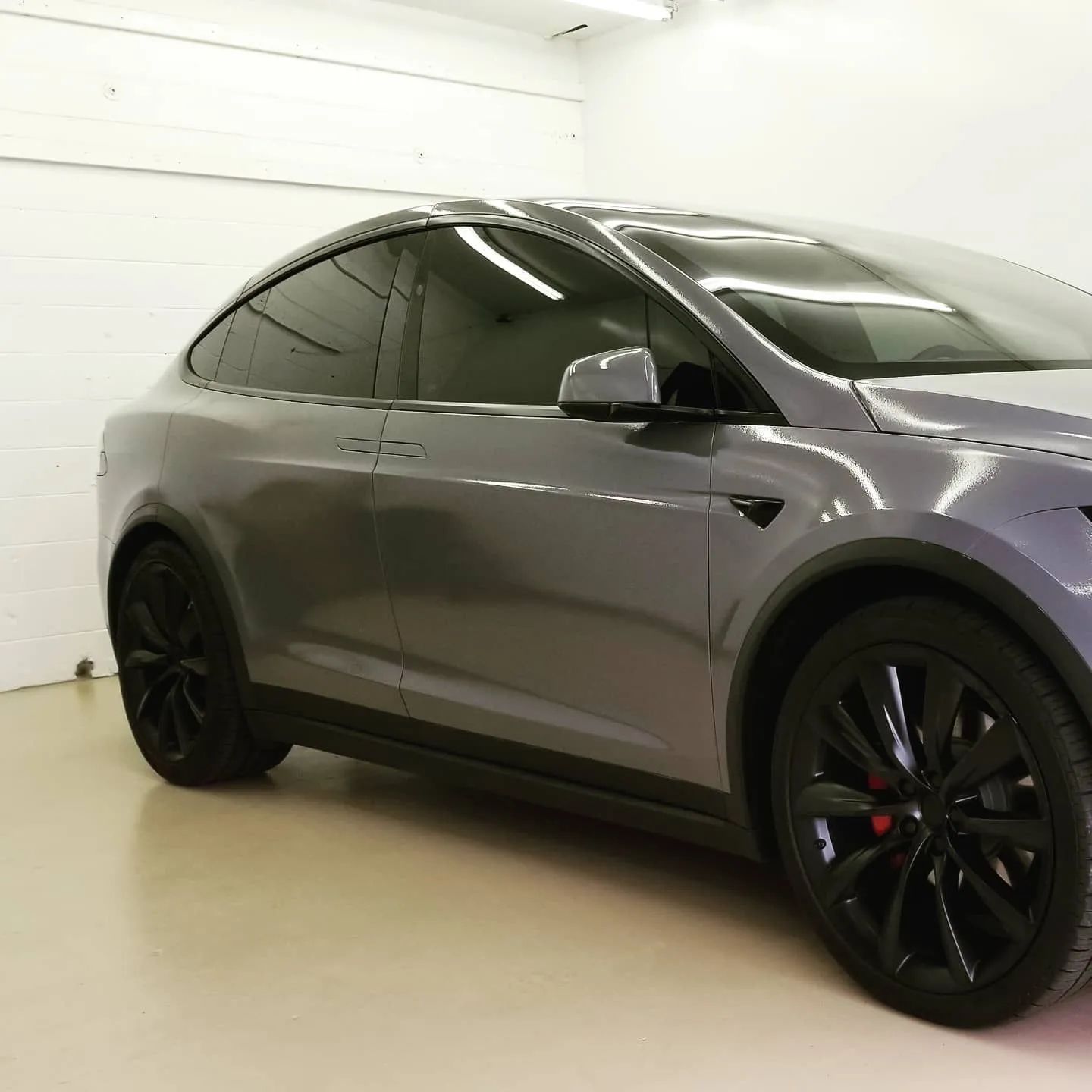
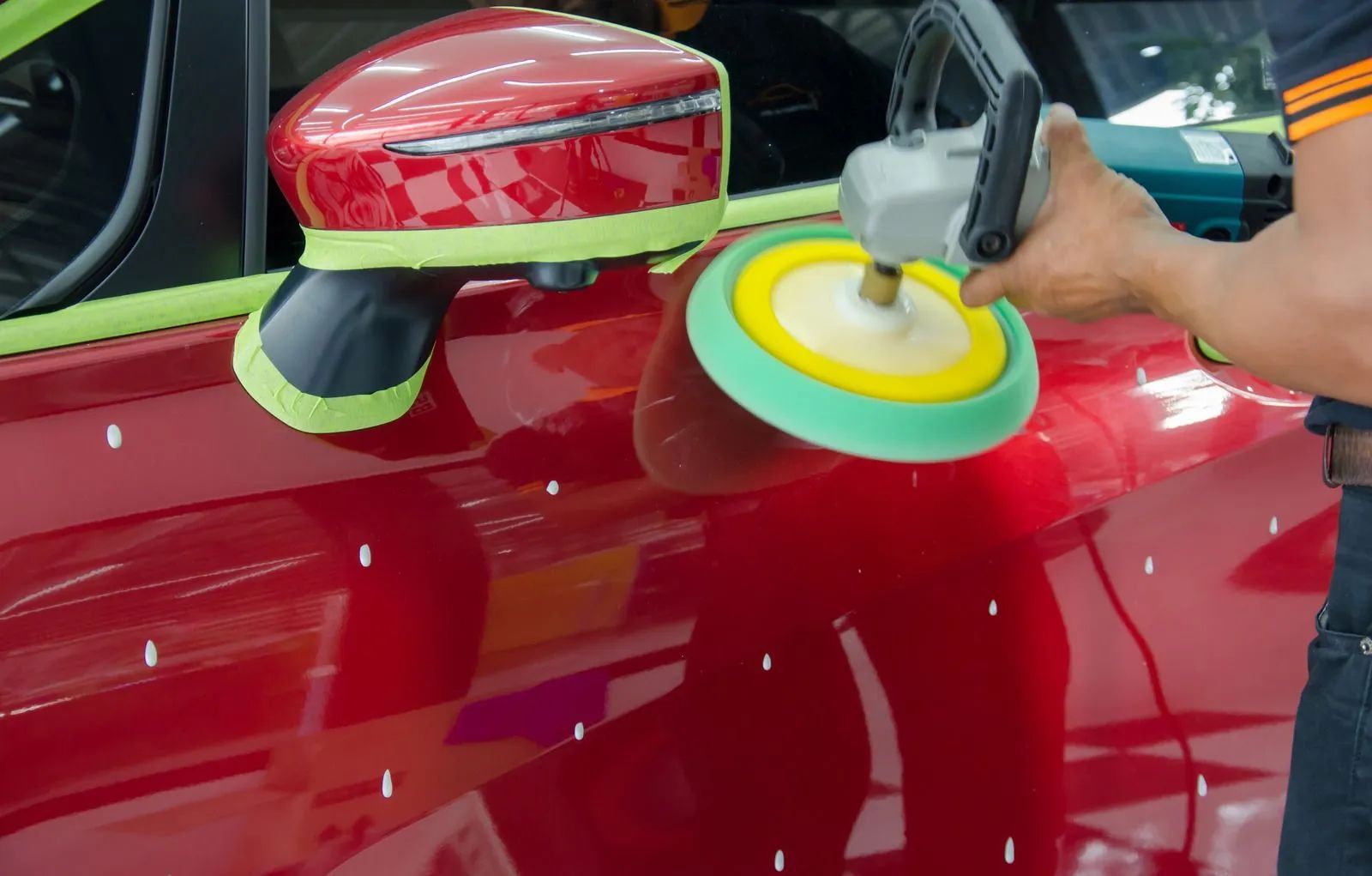
Clear coat is a thin film, and a scratch or an etched crater is a low spot in that film. Paint correction uses a machine polisher, a pad, and a graded abrasive to remove a very small amount of clear coat from the surface around the defect. Once the high edges are shaved down to the depth of the scratch or crater, the surface is flat again. Flat paint reflects light in one direction, and that is what you see as depth and gloss.
Why It Beats Filler And Wax
Many quick shine products work by filling scratches with oils or resins. They look good right after application and fade after a few washes, which is why swirls seem to return. Correction does not hide anything. The defect is gone because the surface it lived in is gone.
The Steps, In Order
Wash and decontaminate. The car is washed, then treated to pull out bonded contamination such as iron particles and road film. Polishing over embedded grit would only drag it across the paint and add new scratches.
Inspect under strong light. Defects hide in shade and soft light. A bright inspection light shows the true depth and spread of the swirls and spots, and helps decide how aggressive the job needs to be.
Test a small section. Paint hardness varies between makes, model years, and even panels that have been repainted. A test spot shows what pad and abrasive will fix the problem with the least clear coat removed.
Compound where needed. A cutting pad and compound level deeper defects such as heavier swirls and etched rings. This step leaves a slight haze, which is normal.
Polish to refine. A finishing pad and a fine polish remove that haze and bring out clarity and depth.
Wipe down and check. The surface is cleaned of polishing oils so the result can be judged honestly, not masked by residue.
Single Stage Or Multiple Stages
Light swirls and haze can often be handled in one polishing pass. Heavier swirling, etched water spots, and oxidation call for several passes with different pads and abrasives. A professional picks the least aggressive approach that works, and moves up only when the paint demands it.
Quick Answer: The right window tint cuts heat by rejecting infrared energy and blocking up to 99% of UV, while a darker or specialized film reduces glare by lowering visible light transmission. A quality ceramic film can reject a large share of infrared heat without a dark or mirrored look, so the cabin stays cooler, the dash is protected, and your eyes get relief from harsh sun. What separates real performance from cheap film is the technology in the layer and the quality of the install, not just how dark it looks.
You slide into the driver's seat after a few hours parked in the open, and the cabin hits you like an oven. The steering wheel is too hot to hold, the seats radiate heat through your shirt, and the dash is warm to the touch. Then you pull onto the freeway, the low sun catches the hood, and the glare off the glass and the road has you squinting behind your sunglasses. If you drive anywhere along the coast or inland from the beach, you know this is not a once-a-year problem. It is most of the year.
Here is the thing worth understanding before you pick a film off a shade chart: window tint is not just about looks or privacy. The right film is a piece of solar-control engineering. It manages the specific parts of sunlight that heat your cabin, fade your interior, and blind you at the wheel. Understanding how that works, and what separates a film that performs from one that just darkens the glass, is the difference between a cabin you actually enjoy and one you keep fighting. Let's break down what tint really does and how to choose a film that earns its keep in intense sun.
Addressing tint, vinyl, and PPF as separate projects can lead to inconsistent results, especially if different shops apply each product. When all three services come from the same team, the installation sequence is planned intentionally. PPF is typically applied before a vinyl wrap if partial coverage is the goal, and tint is applied after glass surfaces are fully prepared. This coordination prevents adhesion issues and ensures the products work together rather than competing.
Combining Tint, Vinyl, and PPF: A Full-Service Approach
Why Bundling Makes Sense
A thorough vehicle protection installation begins with a detailed inspection and paint decontamination. Any surface contamination left under PPF or vinyl will show through the film. The vehicle is then measured digitally or cut by hand, depending on the installer's approach, and the films are applied panel by panel in a controlled environment.
Curing time matters. PPF and vinyl both require time to fully adhere, and the vehicle should be kept dry and out of direct sunlight for 24 to 72 hours following installation. A reputable shop will provide specific aftercare instructions before the vehicle leaves the bay.
What to Expect During the Process
Not all installation shops offer the same level of skill or product quality. When evaluating a provider, ask about the brands of film they use, whether their installers carry any industry certifications, and whether they offer a warranty on both material and labor. Shops that invest in plotters, climate-controlled bays, and ongoing training typically deliver cleaner results with fewer issues over time. Reviewing portfolios of completed work is one of the most reliable ways to assess quality before committing.
Choosing the Right Shop
Proven Protection Solutions from San Diego's Experienced Specialists
Window tinting, vinyl wraps, and paint protection film each address a distinct need, but together they form a complete vehicle protection and customization strategy. Tint manages heat, glare, and UV exposure inside the cabin. Vinyl transforms the exterior appearance while allowing for future changes. PPF shields the paint from physical damage and environmental contamination. Understanding how these products work and how they interact helps vehicle owners invest in the right combination for their specific situation. When all three services are handled by an experienced team in a single facility, the results are more cohesive and the process is far more straightforward than managing multiple vendors separately.
For drivers in San Diego, California, SD Auto Enhancers brings over 25 years of hands-on experience to every window tinting, vinyl wrap, and PPF installation we complete. We work with premium film products and apply installation standards developed through decades of real-world service. Whether you are protecting a brand-new vehicle, refreshing a daily driver, or building a fleet wrap program, we approach every project with the same level of care and technical knowledge. Our familiarity with San Diego's climate conditions, from intense coastal UV exposure to warm inland temperatures, informs how we recommend and apply every product we install. Vehicle owners across the region trust us for professional window tinting, paint protection film installation, and vinyl wrap services that deliver lasting performance and outstanding results.
What Correction Can and Cannot Fix
Paint correction is powerful, but it works within the limits of what the clear coat can safely give up. Clear coat is measured in thousandths of an inch, and there is only so much to work with.
It Handles Well
Paint correction removes swirl marks, light scratches, oxidation, dullness, automatic wash haze, and most water spots, including many etched imperfections.
It Handles With Limits
Deep etching, fingernail-catching scratches, and thinned clear coat require careful assessment. Skilled technicians improve defects without excessive clear coat removal.
It Cannot Fix
Peeling clear coat or damage reaching the color coat or primer requires repainting rather than paint correction.
Warning: Avoid aggressive DIY polishing on a car you care about. A rotary buffer in inexperienced hands can burn through clear coat in seconds, especially near edges and body lines, and that damage cannot be reversed with more polish. If you want to try it yourself, use a dual action machine, a gentle pad, and start with a test spot.
Quick Answer: The right window tint cuts heat by rejecting infrared energy and blocking up to 99% of UV, while a darker or specialized film reduces glare by lowering visible light transmission. A quality ceramic film can reject a large share of infrared heat without a dark or mirrored look, so the cabin stays cooler, the dash is protected, and your eyes get relief from harsh sun. What separates real performance from cheap film is the technology in the layer and the quality of the install, not just how dark it looks.
You slide into the driver's seat after a few hours parked in the open, and the cabin hits you like an oven. The steering wheel is too hot to hold, the seats radiate heat through your shirt, and the dash is warm to the touch. Then you pull onto the freeway, the low sun catches the hood, and the glare off the glass and the road has you squinting behind your sunglasses. If you drive anywhere along the coast or inland from the beach, you know this is not a once-a-year problem. It is most of the year.
Here is the thing worth understanding before you pick a film off a shade chart: window tint is not just about looks or privacy. The right film is a piece of solar-control engineering. It manages the specific parts of sunlight that heat your cabin, fade your interior, and blind you at the wheel. Understanding how that works, and what separates a film that performs from one that just darkens the glass, is the difference between a cabin you actually enjoy and one you keep fighting. Let's break down what tint really does and how to choose a film that earns its keep in intense sun.
Addressing tint, vinyl, and PPF as separate projects can lead to inconsistent results, especially if different shops apply each product. When all three services come from the same team, the installation sequence is planned intentionally. PPF is typically applied before a vinyl wrap if partial coverage is the goal, and tint is applied after glass surfaces are fully prepared. This coordination prevents adhesion issues and ensures the products work together rather than competing.
Combining Tint, Vinyl, and PPF: A Full-Service Approach
Why Bundling Makes Sense
A thorough vehicle protection installation begins with a detailed inspection and paint decontamination. Any surface contamination left under PPF or vinyl will show through the film. The vehicle is then measured digitally or cut by hand, depending on the installer's approach, and the films are applied panel by panel in a controlled environment.
Curing time matters. PPF and vinyl both require time to fully adhere, and the vehicle should be kept dry and out of direct sunlight for 24 to 72 hours following installation. A reputable shop will provide specific aftercare instructions before the vehicle leaves the bay.
What to Expect During the Process
Not all installation shops offer the same level of skill or product quality. When evaluating a provider, ask about the brands of film they use, whether their installers carry any industry certifications, and whether they offer a warranty on both material and labor. Shops that invest in plotters, climate-controlled bays, and ongoing training typically deliver cleaner results with fewer issues over time. Reviewing portfolios of completed work is one of the most reliable ways to assess quality before committing.
Choosing the Right Shop
Proven Protection Solutions from San Diego's Experienced Specialists
Window tinting, vinyl wraps, and paint protection film each address a distinct need, but together they form a complete vehicle protection and customization strategy. Tint manages heat, glare, and UV exposure inside the cabin. Vinyl transforms the exterior appearance while allowing for future changes. PPF shields the paint from physical damage and environmental contamination. Understanding how these products work and how they interact helps vehicle owners invest in the right combination for their specific situation. When all three services are handled by an experienced team in a single facility, the results are more cohesive and the process is far more straightforward than managing multiple vendors separately.
For drivers in San Diego, California, SD Auto Enhancers brings over 25 years of hands-on experience to every window tinting, vinyl wrap, and PPF installation we complete. We work with premium film products and apply installation standards developed through decades of real-world service. Whether you are protecting a brand-new vehicle, refreshing a daily driver, or building a fleet wrap program, we approach every project with the same level of care and technical knowledge. Our familiarity with San Diego's climate conditions, from intense coastal UV exposure to warm inland temperatures, informs how we recommend and apply every product we install. Vehicle owners across the region trust us for professional window tinting, paint protection film installation, and vinyl wrap services that deliver lasting performance and outstanding results.
Why Water Spots Return After a Wash and a Wax
Many owners fix the look once and then watch the same spots reappear. That is usually because the surface is bare. After correction, clear coat has no wax, sealant, or coating on it, and it needs protection right away.
A protective layer such as a sealant or a ceramic coating gives water a place to bead and roll off instead of sitting in flat pools that dry in place. It also adds a barrier between the clear coat and UV, salt, and mineral deposits. This is why correction and protection are so often done together: one restores the surface, the other keeps it that way.
Daily Habits That Help
Dry the car with a clean, soft microfiber towel or a dedicated blower instead of letting it air dry in the sun. Rinse salt and dust off before wiping anything, especially after a beach day. Park away from sprinklers, and move the car if you see overspray starting to reach it. Wash with a pH balanced shampoo and a clean mitt, and use separate towels for paint and for wheels. Never dry wipe dust. Rinse first, or use a lubricating detail spray.
Quick Answer: The right window tint cuts heat by rejecting infrared energy and blocking up to 99% of UV, while a darker or specialized film reduces glare by lowering visible light transmission. A quality ceramic film can reject a large share of infrared heat without a dark or mirrored look, so the cabin stays cooler, the dash is protected, and your eyes get relief from harsh sun. What separates real performance from cheap film is the technology in the layer and the quality of the install, not just how dark it looks.
You slide into the driver's seat after a few hours parked in the open, and the cabin hits you like an oven. The steering wheel is too hot to hold, the seats radiate heat through your shirt, and the dash is warm to the touch. Then you pull onto the freeway, the low sun catches the hood, and the glare off the glass and the road has you squinting behind your sunglasses. If you drive anywhere along the coast or inland from the beach, you know this is not a once-a-year problem. It is most of the year.
Here is the thing worth understanding before you pick a film off a shade chart: window tint is not just about looks or privacy. The right film is a piece of solar-control engineering. It manages the specific parts of sunlight that heat your cabin, fade your interior, and blind you at the wheel. Understanding how that works, and what separates a film that performs from one that just darkens the glass, is the difference between a cabin you actually enjoy and one you keep fighting. Let's break down what tint really does and how to choose a film that earns its keep in intense sun.
Addressing tint, vinyl, and PPF as separate projects can lead to inconsistent results, especially if different shops apply each product. When all three services come from the same team, the installation sequence is planned intentionally. PPF is typically applied before a vinyl wrap if partial coverage is the goal, and tint is applied after glass surfaces are fully prepared. This coordination prevents adhesion issues and ensures the products work together rather than competing.
Combining Tint, Vinyl, and PPF: A Full-Service Approach
Why Bundling Makes Sense
A thorough vehicle protection installation begins with a detailed inspection and paint decontamination. Any surface contamination left under PPF or vinyl will show through the film. The vehicle is then measured digitally or cut by hand, depending on the installer's approach, and the films are applied panel by panel in a controlled environment.
Curing time matters. PPF and vinyl both require time to fully adhere, and the vehicle should be kept dry and out of direct sunlight for 24 to 72 hours following installation. A reputable shop will provide specific aftercare instructions before the vehicle leaves the bay.
What to Expect During the Process
Not all installation shops offer the same level of skill or product quality. When evaluating a provider, ask about the brands of film they use, whether their installers carry any industry certifications, and whether they offer a warranty on both material and labor. Shops that invest in plotters, climate-controlled bays, and ongoing training typically deliver cleaner results with fewer issues over time. Reviewing portfolios of completed work is one of the most reliable ways to assess quality before committing.
Choosing the Right Shop
Proven Protection Solutions from San Diego's Experienced Specialists
Window tinting, vinyl wraps, and paint protection film each address a distinct need, but together they form a complete vehicle protection and customization strategy. Tint manages heat, glare, and UV exposure inside the cabin. Vinyl transforms the exterior appearance while allowing for future changes. PPF shields the paint from physical damage and environmental contamination. Understanding how these products work and how they interact helps vehicle owners invest in the right combination for their specific situation. When all three services are handled by an experienced team in a single facility, the results are more cohesive and the process is far more straightforward than managing multiple vendors separately.
For drivers in San Diego, California, SD Auto Enhancers brings over 25 years of hands-on experience to every window tinting, vinyl wrap, and PPF installation we complete. We work with premium film products and apply installation standards developed through decades of real-world service. Whether you are protecting a brand-new vehicle, refreshing a daily driver, or building a fleet wrap program, we approach every project with the same level of care and technical knowledge. Our familiarity with San Diego's climate conditions, from intense coastal UV exposure to warm inland temperatures, informs how we recommend and apply every product we install. Vehicle owners across the region trust us for professional window tinting, paint protection film installation, and vinyl wrap services that deliver lasting performance and outstanding results.
Frequently Asked Questions
Does paint correction remove paint?
It removes only a microscopic amount of clear coat, the transparent top layer, not the color coat. A test spot and inspection come first so only what is needed is taken.
Can water spots be removed without polishing?
Surface mineral deposits often lift with a gentle wash and spot remover. Once etched into the clear coat, the crater remains, and only leveling the surrounding paint removes it.
How do I know if I have swirl marks or just dirt?
Wash and dry the car, then check in direct sun or under a flashlight. Swirls remain as circular fine lines after cleaning, while dirt and film wipe away.
Will swirl marks come back after correction?
They can if habits stay the same. Dry wiping, gritty towels, and brush washes add new scratches, though a gentle routine and protective coating make the finish far more resistant.
How long does paint correction take?
It depends on vehicle size and damage depth. Light single stage work takes several hours, while multiple stage correction with deep swirls and etched spots can take a full day.
Do I need paint protection after correction?
Yes. Corrected paint is bare, so a sealant, ceramic coating, or protection film is needed to hold the result and keep water spots from baking in.
Quick Answer: The right window tint cuts heat by rejecting infrared energy and blocking up to 99% of UV, while a darker or specialized film reduces glare by lowering visible light transmission. A quality ceramic film can reject a large share of infrared heat without a dark or mirrored look, so the cabin stays cooler, the dash is protected, and your eyes get relief from harsh sun. What separates real performance from cheap film is the technology in the layer and the quality of the install, not just how dark it looks.
You slide into the driver's seat after a few hours parked in the open, and the cabin hits you like an oven. The steering wheel is too hot to hold, the seats radiate heat through your shirt, and the dash is warm to the touch. Then you pull onto the freeway, the low sun catches the hood, and the glare off the glass and the road has you squinting behind your sunglasses. If you drive anywhere along the coast or inland from the beach, you know this is not a once-a-year problem. It is most of the year.
Here is the thing worth understanding before you pick a film off a shade chart: window tint is not just about looks or privacy. The right film is a piece of solar-control engineering. It manages the specific parts of sunlight that heat your cabin, fade your interior, and blind you at the wheel. Understanding how that works, and what separates a film that performs from one that just darkens the glass, is the difference between a cabin you actually enjoy and one you keep fighting. Let's break down what tint really does and how to choose a film that earns its keep in intense sun.
Addressing tint, vinyl, and PPF as separate projects can lead to inconsistent results, especially if different shops apply each product. When all three services come from the same team, the installation sequence is planned intentionally. PPF is typically applied before a vinyl wrap if partial coverage is the goal, and tint is applied after glass surfaces are fully prepared. This coordination prevents adhesion issues and ensures the products work together rather than competing.
Combining Tint, Vinyl, and PPF: A Full-Service Approach
Why Bundling Makes Sense
A thorough vehicle protection installation begins with a detailed inspection and paint decontamination. Any surface contamination left under PPF or vinyl will show through the film. The vehicle is then measured digitally or cut by hand, depending on the installer's approach, and the films are applied panel by panel in a controlled environment.
Curing time matters. PPF and vinyl both require time to fully adhere, and the vehicle should be kept dry and out of direct sunlight for 24 to 72 hours following installation. A reputable shop will provide specific aftercare instructions before the vehicle leaves the bay.
What to Expect During the Process
Not all installation shops offer the same level of skill or product quality. When evaluating a provider, ask about the brands of film they use, whether their installers carry any industry certifications, and whether they offer a warranty on both material and labor. Shops that invest in plotters, climate-controlled bays, and ongoing training typically deliver cleaner results with fewer issues over time. Reviewing portfolios of completed work is one of the most reliable ways to assess quality before committing.
Choosing the Right Shop
Proven Protection Solutions from San Diego's Experienced Specialists
Window tinting, vinyl wraps, and paint protection film each address a distinct need, but together they form a complete vehicle protection and customization strategy. Tint manages heat, glare, and UV exposure inside the cabin. Vinyl transforms the exterior appearance while allowing for future changes. PPF shields the paint from physical damage and environmental contamination. Understanding how these products work and how they interact helps vehicle owners invest in the right combination for their specific situation. When all three services are handled by an experienced team in a single facility, the results are more cohesive and the process is far more straightforward than managing multiple vendors separately.
For drivers in San Diego, California, SD Auto Enhancers brings over 25 years of hands-on experience to every window tinting, vinyl wrap, and PPF installation we complete. We work with premium film products and apply installation standards developed through decades of real-world service. Whether you are protecting a brand-new vehicle, refreshing a daily driver, or building a fleet wrap program, we approach every project with the same level of care and technical knowledge. Our familiarity with San Diego's climate conditions, from intense coastal UV exposure to warm inland temperatures, informs how we recommend and apply every product we install. Vehicle owners across the region trust us for professional window tinting, paint protection film installation, and vinyl wrap services that deliver lasting performance and outstanding results.
Bringing Back Gloss and Keeping It Clear
Swirl marks and water spots feel like part of owning a car in a sunny, dusty, salty place, but neither is permanent. Swirls are scratches that can be leveled out, and most water spots polish away when they are caught before the etching goes deep. The sooner they are dealt with, the less clear coat has to come off, and the better the finish looks afterward. Protection applied right after correction then keeps that restored depth from fading.
SD Auto Enhancers
has restored and protected vehicles in San Diego, CA for 25+ years, and that experience shows in how each finish is judged under proper inspection light. Testing a small section, choosing the gentlest approach that works, and pairing correction with lasting protection keeps results consistent from one car to the next. Owners end up with paint that reflects cleanly, resists the local dust, sun, and salt air, and stays easy to maintain.