Ceramic Coating or Wax for SoCal Driving? How They Actually Differ
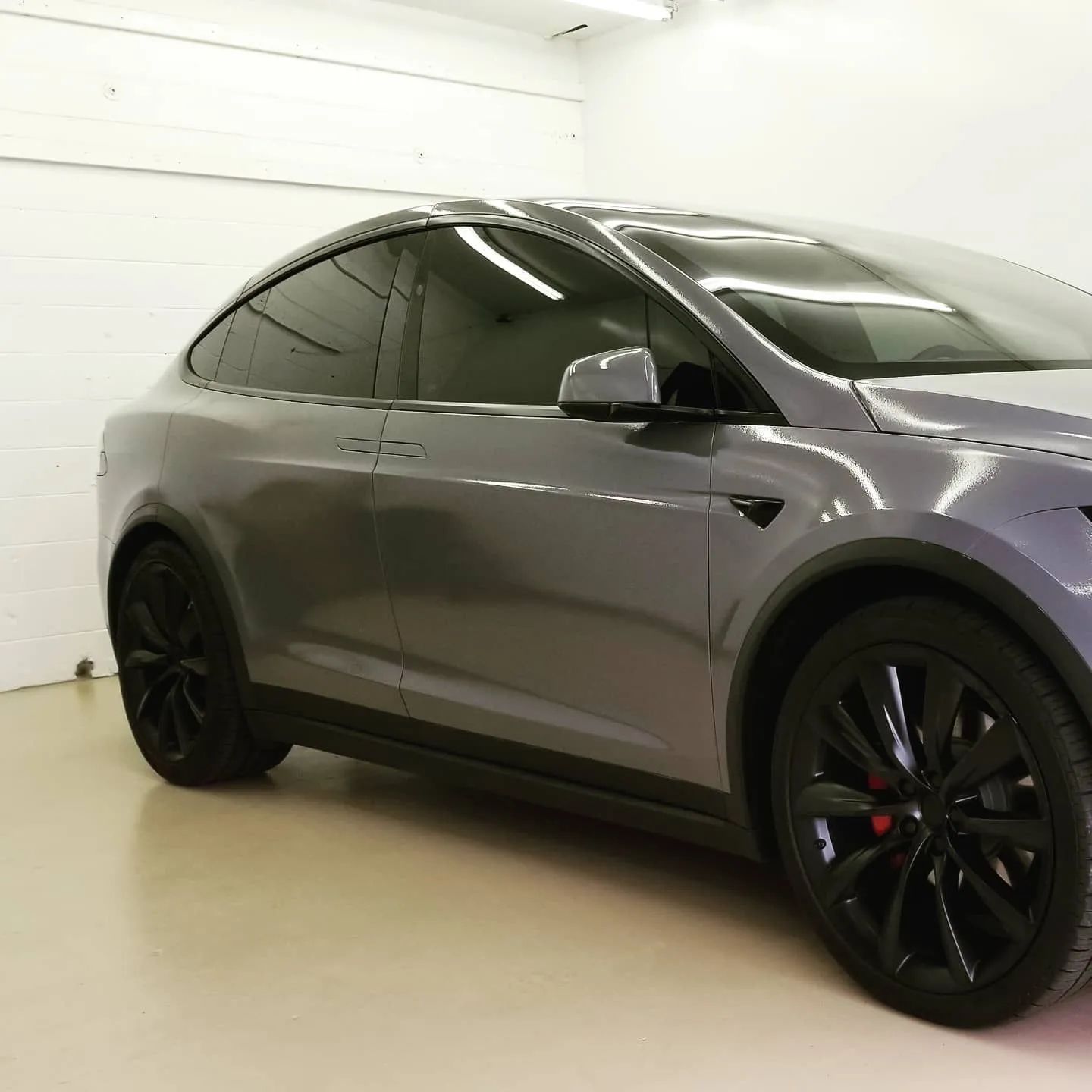
Addressing tint, vinyl, and PPF as separate projects can lead to inconsistent results, especially if different shops apply each product. When all three services come from the same team, the installation sequence is planned intentionally. PPF is typically applied before a vinyl wrap if partial coverage is the goal, and tint is applied after glass surfaces are fully prepared. This coordination prevents adhesion issues and ensures the products work together rather than competing.
Combining Tint, Vinyl, and PPF: A Full-Service Approach
Why Bundling Makes Sense
A thorough vehicle protection installation begins with a detailed inspection and paint decontamination. Any surface contamination left under PPF or vinyl will show through the film. The vehicle is then measured digitally or cut by hand, depending on the installer's approach, and the films are applied panel by panel in a controlled environment.
Curing time matters. PPF and vinyl both require time to fully adhere, and the vehicle should be kept dry and out of direct sunlight for 24 to 72 hours following installation. A reputable shop will provide specific aftercare instructions before the vehicle leaves the bay.
What to Expect During the Process
Not all installation shops offer the same level of skill or product quality. When evaluating a provider, ask about the brands of film they use, whether their installers carry any industry certifications, and whether they offer a warranty on both material and labor. Shops that invest in plotters, climate-controlled bays, and ongoing training typically deliver cleaner results with fewer issues over time. Reviewing portfolios of completed work is one of the most reliable ways to assess quality before committing.
Choosing the Right Shop
Proven Protection Solutions from San Diego's Experienced Specialists
Window tinting, vinyl wraps, and paint protection film each address a distinct need, but together they form a complete vehicle protection and customization strategy. Tint manages heat, glare, and UV exposure inside the cabin. Vinyl transforms the exterior appearance while allowing for future changes. PPF shields the paint from physical damage and environmental contamination. Understanding how these products work and how they interact helps vehicle owners invest in the right combination for their specific situation. When all three services are handled by an experienced team in a single facility, the results are more cohesive and the process is far more straightforward than managing multiple vendors separately.
For drivers in San Diego, California, SD Auto Enhancers brings over 25 years of hands-on experience to every window tinting, vinyl wrap, and PPF installation we complete. We work with premium film products and apply installation standards developed through decades of real-world service. Whether you are protecting a brand-new vehicle, refreshing a daily driver, or building a fleet wrap program, we approach every project with the same level of care and technical knowledge. Our familiarity with San Diego's climate conditions, from intense coastal UV exposure to warm inland temperatures, informs how we recommend and apply every product we install. Vehicle owners across the region trust us for professional window tinting, paint protection film installation, and vinyl wrap services that deliver lasting performance and outstanding results.
Quick Answer: Wax sits on top of your paint as a sacrificial layer that looks great for a few weeks before sun and washing strip it away, while ceramic coating chemically bonds to the clear coat and keeps working for years. In San Diego, where UV is intense nearly every day, coastal air carries salt inland, and rain almost never shows up to rinse the grime off, that durability gap matters more than it would somewhere with a real winter. Wax still has a place for certain drivers and certain finishes, but it is not solving the same problem ceramic coating solves.
You wash the car on a Saturday, step back, and the paint looks incredible. Two weeks later you catch your reflection in the hood at a stoplight and it is duller than you remember, water is not beading the way it did, and the film of brake dust and freeway grime is already creeping back in.
If that cycle sounds familiar, you are not doing anything wrong. You are just running into the limits of what a topical wax was ever built to do, and those limits show up faster here than almost anywhere else in the country.
Southern California is a tough environment for a car's finish, even though it never snows and the roads rarely see salt trucks. The sun is relentless for most of the year, the coastal marine layer rolls in loaded with salt particles even miles from the beach, and long freeway stretches on the 5, the 8, and the 15 mean a steady diet of rock chips, brake dust, and bug residue with almost no rain to wash any of it off naturally. Whatever you put on your paint has to survive that combination on its own, and that is exactly where wax and ceramic coating start to pull apart from each other.
Quick Answer: The right window tint cuts heat by rejecting infrared energy and blocking up to 99% of UV, while a darker or specialized film reduces glare by lowering visible light transmission. A quality ceramic film can reject a large share of infrared heat without a dark or mirrored look, so the cabin stays cooler, the dash is protected, and your eyes get relief from harsh sun. What separates real performance from cheap film is the technology in the layer and the quality of the install, not just how dark it looks.
You slide into the driver's seat after a few hours parked in the open, and the cabin hits you like an oven. The steering wheel is too hot to hold, the seats radiate heat through your shirt, and the dash is warm to the touch. Then you pull onto the freeway, the low sun catches the hood, and the glare off the glass and the road has you squinting behind your sunglasses. If you drive anywhere along the coast or inland from the beach, you know this is not a once-a-year problem. It is most of the year.
Here is the thing worth understanding before you pick a film off a shade chart: window tint is not just about looks or privacy. The right film is a piece of solar-control engineering. It manages the specific parts of sunlight that heat your cabin, fade your interior, and blind you at the wheel. Understanding how that works, and what separates a film that performs from one that just darkens the glass, is the difference between a cabin you actually enjoy and one you keep fighting. Let's break down what tint really does and how to choose a film that earns its keep in intense sun.
Addressing tint, vinyl, and PPF as separate projects can lead to inconsistent results, especially if different shops apply each product. When all three services come from the same team, the installation sequence is planned intentionally. PPF is typically applied before a vinyl wrap if partial coverage is the goal, and tint is applied after glass surfaces are fully prepared. This coordination prevents adhesion issues and ensures the products work together rather than competing.
Combining Tint, Vinyl, and PPF: A Full-Service Approach
Why Bundling Makes Sense
A thorough vehicle protection installation begins with a detailed inspection and paint decontamination. Any surface contamination left under PPF or vinyl will show through the film. The vehicle is then measured digitally or cut by hand, depending on the installer's approach, and the films are applied panel by panel in a controlled environment.
Curing time matters. PPF and vinyl both require time to fully adhere, and the vehicle should be kept dry and out of direct sunlight for 24 to 72 hours following installation. A reputable shop will provide specific aftercare instructions before the vehicle leaves the bay.
What to Expect During the Process
Not all installation shops offer the same level of skill or product quality. When evaluating a provider, ask about the brands of film they use, whether their installers carry any industry certifications, and whether they offer a warranty on both material and labor. Shops that invest in plotters, climate-controlled bays, and ongoing training typically deliver cleaner results with fewer issues over time. Reviewing portfolios of completed work is one of the most reliable ways to assess quality before committing.
Choosing the Right Shop
Proven Protection Solutions from San Diego's Experienced Specialists
Window tinting, vinyl wraps, and paint protection film each address a distinct need, but together they form a complete vehicle protection and customization strategy. Tint manages heat, glare, and UV exposure inside the cabin. Vinyl transforms the exterior appearance while allowing for future changes. PPF shields the paint from physical damage and environmental contamination. Understanding how these products work and how they interact helps vehicle owners invest in the right combination for their specific situation. When all three services are handled by an experienced team in a single facility, the results are more cohesive and the process is far more straightforward than managing multiple vendors separately.
For drivers in San Diego, California, SD Auto Enhancers brings over 25 years of hands-on experience to every window tinting, vinyl wrap, and PPF installation we complete. We work with premium film products and apply installation standards developed through decades of real-world service. Whether you are protecting a brand-new vehicle, refreshing a daily driver, or building a fleet wrap program, we approach every project with the same level of care and technical knowledge. Our familiarity with San Diego's climate conditions, from intense coastal UV exposure to warm inland temperatures, informs how we recommend and apply every product we install. Vehicle owners across the region trust us for professional window tinting, paint protection film installation, and vinyl wrap services that deliver lasting performance and outstanding results.
What Wax Actually Is and What It Is Doing on Your Paint
Wax Sits On The Surface, Not In It
Traditional carnauba and synthetic waxes are topical products. They spread across the clear coat and cure into thin films that provide gloss, water beading, and limited protection, without chemically bonding to underlying paint.
That Is Why It Disappears So Fast
Carnauba wax generally lasts four to eight weeks, while synthetic products may last several months. Washing, heat, ultraviolet exposure, and daily driving gradually remove the film, making frequent reapplication necessary in sunny climates.
Carnauba Still Has A Fan Base For Good Reason
Carnauba remains popular because it creates a deep, warm shine many enthusiasts appreciate. Its appearance can be especially rich on darker paint, giving owners a legitimate reason to apply wax over ceramic coatings.
Quick Answer: The right window tint cuts heat by rejecting infrared energy and blocking up to 99% of UV, while a darker or specialized film reduces glare by lowering visible light transmission. A quality ceramic film can reject a large share of infrared heat without a dark or mirrored look, so the cabin stays cooler, the dash is protected, and your eyes get relief from harsh sun. What separates real performance from cheap film is the technology in the layer and the quality of the install, not just how dark it looks.
You slide into the driver's seat after a few hours parked in the open, and the cabin hits you like an oven. The steering wheel is too hot to hold, the seats radiate heat through your shirt, and the dash is warm to the touch. Then you pull onto the freeway, the low sun catches the hood, and the glare off the glass and the road has you squinting behind your sunglasses. If you drive anywhere along the coast or inland from the beach, you know this is not a once-a-year problem. It is most of the year.
Here is the thing worth understanding before you pick a film off a shade chart: window tint is not just about looks or privacy. The right film is a piece of solar-control engineering. It manages the specific parts of sunlight that heat your cabin, fade your interior, and blind you at the wheel. Understanding how that works, and what separates a film that performs from one that just darkens the glass, is the difference between a cabin you actually enjoy and one you keep fighting. Let's break down what tint really does and how to choose a film that earns its keep in intense sun.
Addressing tint, vinyl, and PPF as separate projects can lead to inconsistent results, especially if different shops apply each product. When all three services come from the same team, the installation sequence is planned intentionally. PPF is typically applied before a vinyl wrap if partial coverage is the goal, and tint is applied after glass surfaces are fully prepared. This coordination prevents adhesion issues and ensures the products work together rather than competing.
Combining Tint, Vinyl, and PPF: A Full-Service Approach
Why Bundling Makes Sense
A thorough vehicle protection installation begins with a detailed inspection and paint decontamination. Any surface contamination left under PPF or vinyl will show through the film. The vehicle is then measured digitally or cut by hand, depending on the installer's approach, and the films are applied panel by panel in a controlled environment.
Curing time matters. PPF and vinyl both require time to fully adhere, and the vehicle should be kept dry and out of direct sunlight for 24 to 72 hours following installation. A reputable shop will provide specific aftercare instructions before the vehicle leaves the bay.
What to Expect During the Process
Not all installation shops offer the same level of skill or product quality. When evaluating a provider, ask about the brands of film they use, whether their installers carry any industry certifications, and whether they offer a warranty on both material and labor. Shops that invest in plotters, climate-controlled bays, and ongoing training typically deliver cleaner results with fewer issues over time. Reviewing portfolios of completed work is one of the most reliable ways to assess quality before committing.
Choosing the Right Shop
Proven Protection Solutions from San Diego's Experienced Specialists
Window tinting, vinyl wraps, and paint protection film each address a distinct need, but together they form a complete vehicle protection and customization strategy. Tint manages heat, glare, and UV exposure inside the cabin. Vinyl transforms the exterior appearance while allowing for future changes. PPF shields the paint from physical damage and environmental contamination. Understanding how these products work and how they interact helps vehicle owners invest in the right combination for their specific situation. When all three services are handled by an experienced team in a single facility, the results are more cohesive and the process is far more straightforward than managing multiple vendors separately.
For drivers in San Diego, California, SD Auto Enhancers brings over 25 years of hands-on experience to every window tinting, vinyl wrap, and PPF installation we complete. We work with premium film products and apply installation standards developed through decades of real-world service. Whether you are protecting a brand-new vehicle, refreshing a daily driver, or building a fleet wrap program, we approach every project with the same level of care and technical knowledge. Our familiarity with San Diego's climate conditions, from intense coastal UV exposure to warm inland temperatures, informs how we recommend and apply every product we install. Vehicle owners across the region trust us for professional window tinting, paint protection film installation, and vinyl wrap services that deliver lasting performance and outstanding results.
What Ceramic Coating Is Doing Differently
It Bonds Instead Of Sitting
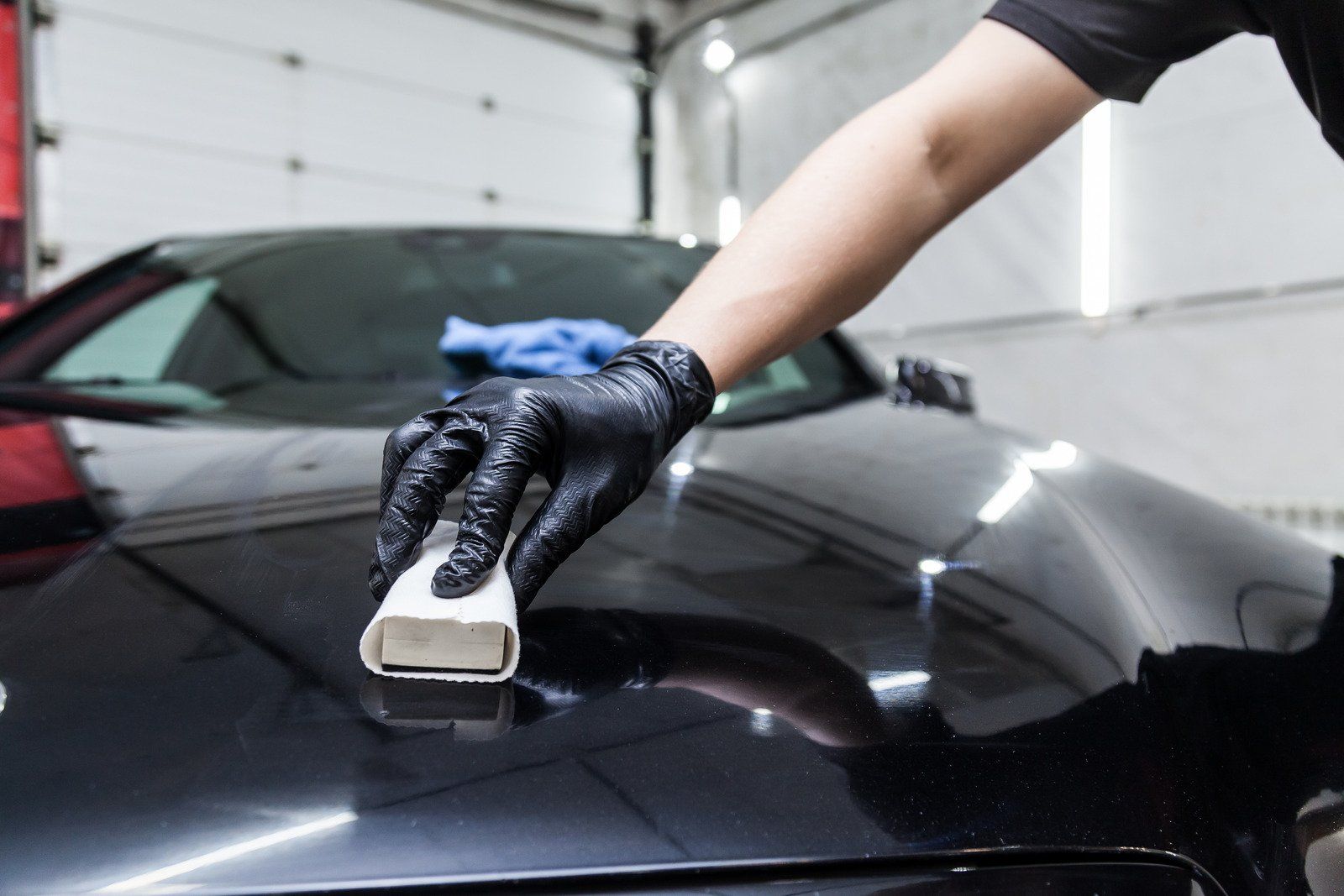
Ceramic coating is a liquid polymer, often silica-based, that cures on the clear coat. Instead of remaining a separate film, it creates a durable protective layer chemically bonded to the paint surface.
Durability Is Measured In Years, Not Weeks
Professional ceramic coatings commonly last two to five years, depending on product, maintenance, sunlight, and mileage. That longevity makes them fundamentally different from wax and well suited to frequently driven vehicles.
Hydrophobic Performance Is Measurably Stronger
Ceramic coatings typically produce higher water contact angles than fresh carnauba wax, often exceeding 110 degrees. Water beads and sheds more readily, carrying dust and grime away while maintaining performance longer between washes.
Quick Answer: The right window tint cuts heat by rejecting infrared energy and blocking up to 99% of UV, while a darker or specialized film reduces glare by lowering visible light transmission. A quality ceramic film can reject a large share of infrared heat without a dark or mirrored look, so the cabin stays cooler, the dash is protected, and your eyes get relief from harsh sun. What separates real performance from cheap film is the technology in the layer and the quality of the install, not just how dark it looks.
You slide into the driver's seat after a few hours parked in the open, and the cabin hits you like an oven. The steering wheel is too hot to hold, the seats radiate heat through your shirt, and the dash is warm to the touch. Then you pull onto the freeway, the low sun catches the hood, and the glare off the glass and the road has you squinting behind your sunglasses. If you drive anywhere along the coast or inland from the beach, you know this is not a once-a-year problem. It is most of the year.
Here is the thing worth understanding before you pick a film off a shade chart: window tint is not just about looks or privacy. The right film is a piece of solar-control engineering. It manages the specific parts of sunlight that heat your cabin, fade your interior, and blind you at the wheel. Understanding how that works, and what separates a film that performs from one that just darkens the glass, is the difference between a cabin you actually enjoy and one you keep fighting. Let's break down what tint really does and how to choose a film that earns its keep in intense sun.
Addressing tint, vinyl, and PPF as separate projects can lead to inconsistent results, especially if different shops apply each product. When all three services come from the same team, the installation sequence is planned intentionally. PPF is typically applied before a vinyl wrap if partial coverage is the goal, and tint is applied after glass surfaces are fully prepared. This coordination prevents adhesion issues and ensures the products work together rather than competing.
Combining Tint, Vinyl, and PPF: A Full-Service Approach
Why Bundling Makes Sense
A thorough vehicle protection installation begins with a detailed inspection and paint decontamination. Any surface contamination left under PPF or vinyl will show through the film. The vehicle is then measured digitally or cut by hand, depending on the installer's approach, and the films are applied panel by panel in a controlled environment.
Curing time matters. PPF and vinyl both require time to fully adhere, and the vehicle should be kept dry and out of direct sunlight for 24 to 72 hours following installation. A reputable shop will provide specific aftercare instructions before the vehicle leaves the bay.
What to Expect During the Process
Not all installation shops offer the same level of skill or product quality. When evaluating a provider, ask about the brands of film they use, whether their installers carry any industry certifications, and whether they offer a warranty on both material and labor. Shops that invest in plotters, climate-controlled bays, and ongoing training typically deliver cleaner results with fewer issues over time. Reviewing portfolios of completed work is one of the most reliable ways to assess quality before committing.
Choosing the Right Shop
Proven Protection Solutions from San Diego's Experienced Specialists
Window tinting, vinyl wraps, and paint protection film each address a distinct need, but together they form a complete vehicle protection and customization strategy. Tint manages heat, glare, and UV exposure inside the cabin. Vinyl transforms the exterior appearance while allowing for future changes. PPF shields the paint from physical damage and environmental contamination. Understanding how these products work and how they interact helps vehicle owners invest in the right combination for their specific situation. When all three services are handled by an experienced team in a single facility, the results are more cohesive and the process is far more straightforward than managing multiple vendors separately.
For drivers in San Diego, California, SD Auto Enhancers brings over 25 years of hands-on experience to every window tinting, vinyl wrap, and PPF installation we complete. We work with premium film products and apply installation standards developed through decades of real-world service. Whether you are protecting a brand-new vehicle, refreshing a daily driver, or building a fleet wrap program, we approach every project with the same level of care and technical knowledge. Our familiarity with San Diego's climate conditions, from intense coastal UV exposure to warm inland temperatures, informs how we recommend and apply every product we install. Vehicle owners across the region trust us for professional window tinting, paint protection film installation, and vinyl wrap services that deliver lasting performance and outstanding results.
Tip: Judge a coating's condition by how water behaves on the hood, not by how glossy the paint looks. Gloss can hold up visually even as beading performance starts to fade, so a quick hose test — does water bead tight and roll, or spread and sheet slowly — tells you more about whether the coating still needs a maintenance top-up than eyeballing the shine does.
Why UV and Oxidation Resistance Matter More Here Than Almost Anywhere
San Diego sees strong UV exposure across most of the calendar, not just a few peak summer months. That constant sun load is what drives oxidation — the slow chemical breakdown of clear coat that leaves paint looking chalky, faded, and dull over time. Wax offers a thin measure of UV blocking, but because the film is so short-lived, that protection is only present for a fraction of the year unless you are reapplying constantly, which almost nobody actually does.
Ceramic coating's cured layer provides meaningfully stronger and more consistent UV resistance because it is still there, still bonded, still doing its job months after a wax job would have already worn through. Paint under a ceramic coating oxidizes at a slower rate specifically because the coating is present and functioning across the stretches of time where an unprotected or wax-only finish would already be exposed again. Over a few years of San Diego sun, that difference compounds into a visible gap between a coated car and one that is only getting waxed a couple of times a year.
Quick Answer: The right window tint cuts heat by rejecting infrared energy and blocking up to 99% of UV, while a darker or specialized film reduces glare by lowering visible light transmission. A quality ceramic film can reject a large share of infrared heat without a dark or mirrored look, so the cabin stays cooler, the dash is protected, and your eyes get relief from harsh sun. What separates real performance from cheap film is the technology in the layer and the quality of the install, not just how dark it looks.
You slide into the driver's seat after a few hours parked in the open, and the cabin hits you like an oven. The steering wheel is too hot to hold, the seats radiate heat through your shirt, and the dash is warm to the touch. Then you pull onto the freeway, the low sun catches the hood, and the glare off the glass and the road has you squinting behind your sunglasses. If you drive anywhere along the coast or inland from the beach, you know this is not a once-a-year problem. It is most of the year.
Here is the thing worth understanding before you pick a film off a shade chart: window tint is not just about looks or privacy. The right film is a piece of solar-control engineering. It manages the specific parts of sunlight that heat your cabin, fade your interior, and blind you at the wheel. Understanding how that works, and what separates a film that performs from one that just darkens the glass, is the difference between a cabin you actually enjoy and one you keep fighting. Let's break down what tint really does and how to choose a film that earns its keep in intense sun.
Addressing tint, vinyl, and PPF as separate projects can lead to inconsistent results, especially if different shops apply each product. When all three services come from the same team, the installation sequence is planned intentionally. PPF is typically applied before a vinyl wrap if partial coverage is the goal, and tint is applied after glass surfaces are fully prepared. This coordination prevents adhesion issues and ensures the products work together rather than competing.
Combining Tint, Vinyl, and PPF: A Full-Service Approach
Why Bundling Makes Sense
A thorough vehicle protection installation begins with a detailed inspection and paint decontamination. Any surface contamination left under PPF or vinyl will show through the film. The vehicle is then measured digitally or cut by hand, depending on the installer's approach, and the films are applied panel by panel in a controlled environment.
Curing time matters. PPF and vinyl both require time to fully adhere, and the vehicle should be kept dry and out of direct sunlight for 24 to 72 hours following installation. A reputable shop will provide specific aftercare instructions before the vehicle leaves the bay.
What to Expect During the Process
Not all installation shops offer the same level of skill or product quality. When evaluating a provider, ask about the brands of film they use, whether their installers carry any industry certifications, and whether they offer a warranty on both material and labor. Shops that invest in plotters, climate-controlled bays, and ongoing training typically deliver cleaner results with fewer issues over time. Reviewing portfolios of completed work is one of the most reliable ways to assess quality before committing.
Choosing the Right Shop
Proven Protection Solutions from San Diego's Experienced Specialists
Window tinting, vinyl wraps, and paint protection film each address a distinct need, but together they form a complete vehicle protection and customization strategy. Tint manages heat, glare, and UV exposure inside the cabin. Vinyl transforms the exterior appearance while allowing for future changes. PPF shields the paint from physical damage and environmental contamination. Understanding how these products work and how they interact helps vehicle owners invest in the right combination for their specific situation. When all three services are handled by an experienced team in a single facility, the results are more cohesive and the process is far more straightforward than managing multiple vendors separately.
For drivers in San Diego, California, SD Auto Enhancers brings over 25 years of hands-on experience to every window tinting, vinyl wrap, and PPF installation we complete. We work with premium film products and apply installation standards developed through decades of real-world service. Whether you are protecting a brand-new vehicle, refreshing a daily driver, or building a fleet wrap program, we approach every project with the same level of care and technical knowledge. Our familiarity with San Diego's climate conditions, from intense coastal UV exposure to warm inland temperatures, informs how we recommend and apply every product we install. Vehicle owners across the region trust us for professional window tinting, paint protection film installation, and vinyl wrap services that deliver lasting performance and outstanding results.
The Marine Layer Problem Most Drivers Don't Think About
Ask most car owners in San Diego what threatens their paint and they will mention the sun first, maybe rock chips second. Salt air rarely makes the list. That's a mistake, even for drivers who never go near the beach. The marine layer that rolls in most mornings carries fine salt particles well inland — this is not just a Point Loma or Ocean Beach problem. Neighborhoods across the county, including areas that feel nowhere near the coast, still catch enough of that airborne salt to accelerate corrosion on exposed metal and stress on clear coat over time.
Salt residue is corrosive on contact, and it does its damage slowly and quietly rather than in one dramatic event, which is exactly why so many owners never connect a slowly dulling finish to the marine layer at all. Wax's short lifespan means the paint spends a large share of the year with essentially no barrier against that salt film. A bonded ceramic coating stays in place through the marine layer season after season, giving the paint a consistent barrier against airborne salt instead of a barrier that comes and goes with how recently the car was waxed.
Warning: Do not assume a car that is garaged most of the time is exempt from marine layer exposure. Salt-laden moisture settles overnight even on vehicles that only see the coastal air during the drive to work and back, and a car parked outdoors on a coastal-adjacent street accumulates that exposure day after day whether or not it ever gets close to the sand.
Quick Answer: The right window tint cuts heat by rejecting infrared energy and blocking up to 99% of UV, while a darker or specialized film reduces glare by lowering visible light transmission. A quality ceramic film can reject a large share of infrared heat without a dark or mirrored look, so the cabin stays cooler, the dash is protected, and your eyes get relief from harsh sun. What separates real performance from cheap film is the technology in the layer and the quality of the install, not just how dark it looks.
You slide into the driver's seat after a few hours parked in the open, and the cabin hits you like an oven. The steering wheel is too hot to hold, the seats radiate heat through your shirt, and the dash is warm to the touch. Then you pull onto the freeway, the low sun catches the hood, and the glare off the glass and the road has you squinting behind your sunglasses. If you drive anywhere along the coast or inland from the beach, you know this is not a once-a-year problem. It is most of the year.
Here is the thing worth understanding before you pick a film off a shade chart: window tint is not just about looks or privacy. The right film is a piece of solar-control engineering. It manages the specific parts of sunlight that heat your cabin, fade your interior, and blind you at the wheel. Understanding how that works, and what separates a film that performs from one that just darkens the glass, is the difference between a cabin you actually enjoy and one you keep fighting. Let's break down what tint really does and how to choose a film that earns its keep in intense sun.
Addressing tint, vinyl, and PPF as separate projects can lead to inconsistent results, especially if different shops apply each product. When all three services come from the same team, the installation sequence is planned intentionally. PPF is typically applied before a vinyl wrap if partial coverage is the goal, and tint is applied after glass surfaces are fully prepared. This coordination prevents adhesion issues and ensures the products work together rather than competing.
Combining Tint, Vinyl, and PPF: A Full-Service Approach
Why Bundling Makes Sense
A thorough vehicle protection installation begins with a detailed inspection and paint decontamination. Any surface contamination left under PPF or vinyl will show through the film. The vehicle is then measured digitally or cut by hand, depending on the installer's approach, and the films are applied panel by panel in a controlled environment.
Curing time matters. PPF and vinyl both require time to fully adhere, and the vehicle should be kept dry and out of direct sunlight for 24 to 72 hours following installation. A reputable shop will provide specific aftercare instructions before the vehicle leaves the bay.
What to Expect During the Process
Not all installation shops offer the same level of skill or product quality. When evaluating a provider, ask about the brands of film they use, whether their installers carry any industry certifications, and whether they offer a warranty on both material and labor. Shops that invest in plotters, climate-controlled bays, and ongoing training typically deliver cleaner results with fewer issues over time. Reviewing portfolios of completed work is one of the most reliable ways to assess quality before committing.
Choosing the Right Shop
Proven Protection Solutions from San Diego's Experienced Specialists
Window tinting, vinyl wraps, and paint protection film each address a distinct need, but together they form a complete vehicle protection and customization strategy. Tint manages heat, glare, and UV exposure inside the cabin. Vinyl transforms the exterior appearance while allowing for future changes. PPF shields the paint from physical damage and environmental contamination. Understanding how these products work and how they interact helps vehicle owners invest in the right combination for their specific situation. When all three services are handled by an experienced team in a single facility, the results are more cohesive and the process is far more straightforward than managing multiple vendors separately.
For drivers in San Diego, California, SD Auto Enhancers brings over 25 years of hands-on experience to every window tinting, vinyl wrap, and PPF installation we complete. We work with premium film products and apply installation standards developed through decades of real-world service. Whether you are protecting a brand-new vehicle, refreshing a daily driver, or building a fleet wrap program, we approach every project with the same level of care and technical knowledge. Our familiarity with San Diego's climate conditions, from intense coastal UV exposure to warm inland temperatures, informs how we recommend and apply every product we install. Vehicle owners across the region trust us for professional window tinting, paint protection film installation, and vinyl wrap services that deliver lasting performance and outstanding results.
Freeway Miles, Rock Chips, and the Contaminants That Wax Can't Stop
Freeway Driving Exposes Paint To Constant Contaminants
Long commutes expose paint to brake dust, tar, bugs, and road grime. Ceramic coating will not prevent rock chips, but it helps resist other contaminants bonding tightly, keeping surfaces easier to clean.
Bug Splatter And Tar Become More Harmful With Time
Bug residue contains acids, while tar contains oils that can attack unprotected paint. Ceramic coating provides stronger chemical resistance, giving owners more time to remove contaminants before they etch into the clear coat.
Minimal Rainfall Lets Contaminants Accumulate
Southern California's limited rainfall means contaminants often remain on vehicles until washing. Ceramic coatings create slick, chemically resistant surfaces that make accumulated grime easier to remove, reducing prolonged exposure to bare or waxed paint.
Quick Answer: The right window tint cuts heat by rejecting infrared energy and blocking up to 99% of UV, while a darker or specialized film reduces glare by lowering visible light transmission. A quality ceramic film can reject a large share of infrared heat without a dark or mirrored look, so the cabin stays cooler, the dash is protected, and your eyes get relief from harsh sun. What separates real performance from cheap film is the technology in the layer and the quality of the install, not just how dark it looks.
You slide into the driver's seat after a few hours parked in the open, and the cabin hits you like an oven. The steering wheel is too hot to hold, the seats radiate heat through your shirt, and the dash is warm to the touch. Then you pull onto the freeway, the low sun catches the hood, and the glare off the glass and the road has you squinting behind your sunglasses. If you drive anywhere along the coast or inland from the beach, you know this is not a once-a-year problem. It is most of the year.
Here is the thing worth understanding before you pick a film off a shade chart: window tint is not just about looks or privacy. The right film is a piece of solar-control engineering. It manages the specific parts of sunlight that heat your cabin, fade your interior, and blind you at the wheel. Understanding how that works, and what separates a film that performs from one that just darkens the glass, is the difference between a cabin you actually enjoy and one you keep fighting. Let's break down what tint really does and how to choose a film that earns its keep in intense sun.
Addressing tint, vinyl, and PPF as separate projects can lead to inconsistent results, especially if different shops apply each product. When all three services come from the same team, the installation sequence is planned intentionally. PPF is typically applied before a vinyl wrap if partial coverage is the goal, and tint is applied after glass surfaces are fully prepared. This coordination prevents adhesion issues and ensures the products work together rather than competing.
Combining Tint, Vinyl, and PPF: A Full-Service Approach
Why Bundling Makes Sense
A thorough vehicle protection installation begins with a detailed inspection and paint decontamination. Any surface contamination left under PPF or vinyl will show through the film. The vehicle is then measured digitally or cut by hand, depending on the installer's approach, and the films are applied panel by panel in a controlled environment.
Curing time matters. PPF and vinyl both require time to fully adhere, and the vehicle should be kept dry and out of direct sunlight for 24 to 72 hours following installation. A reputable shop will provide specific aftercare instructions before the vehicle leaves the bay.
What to Expect During the Process
Not all installation shops offer the same level of skill or product quality. When evaluating a provider, ask about the brands of film they use, whether their installers carry any industry certifications, and whether they offer a warranty on both material and labor. Shops that invest in plotters, climate-controlled bays, and ongoing training typically deliver cleaner results with fewer issues over time. Reviewing portfolios of completed work is one of the most reliable ways to assess quality before committing.
Choosing the Right Shop
Proven Protection Solutions from San Diego's Experienced Specialists
Window tinting, vinyl wraps, and paint protection film each address a distinct need, but together they form a complete vehicle protection and customization strategy. Tint manages heat, glare, and UV exposure inside the cabin. Vinyl transforms the exterior appearance while allowing for future changes. PPF shields the paint from physical damage and environmental contamination. Understanding how these products work and how they interact helps vehicle owners invest in the right combination for their specific situation. When all three services are handled by an experienced team in a single facility, the results are more cohesive and the process is far more straightforward than managing multiple vendors separately.
For drivers in San Diego, California, SD Auto Enhancers brings over 25 years of hands-on experience to every window tinting, vinyl wrap, and PPF installation we complete. We work with premium film products and apply installation standards developed through decades of real-world service. Whether you are protecting a brand-new vehicle, refreshing a daily driver, or building a fleet wrap program, we approach every project with the same level of care and technical knowledge. Our familiarity with San Diego's climate conditions, from intense coastal UV exposure to warm inland temperatures, informs how we recommend and apply every product we install. Vehicle owners across the region trust us for professional window tinting, paint protection film installation, and vinyl wrap services that deliver lasting performance and outstanding results.
Maintenance Realities: What Each Option Actually Asks of You
Wax is low commitment per application but high commitment over a year, since keeping it effective means reapplying every few weeks in a climate this sun-heavy. Ceramic coating flips that equation. The upfront application is more involved and typically includes paint correction beforehand to address existing swirl marks and imperfections, since the coating locks in whatever condition the paint is in when it cures. After that, the ongoing maintenance is lighter: regular pH-neutral washes, prompt rinsing of anything acidic like bird droppings or bug splatter, and periodic maintenance products or top-up coatings depending on the specific system used.
Neither option means you can skip washing altogether. A
ceramic-coated car still needs regular care, just less of it and with less risk of the finish backsliding between washes. The difference is what happens in the gaps between maintenance sessions — a coated car holds its protective properties through those gaps, while a wax-only car is already losing ground the moment the wax starts breaking down.
Which One Actually Fits Your Situation
Daily Drivers Are The Clearest Case For Ceramic Coating
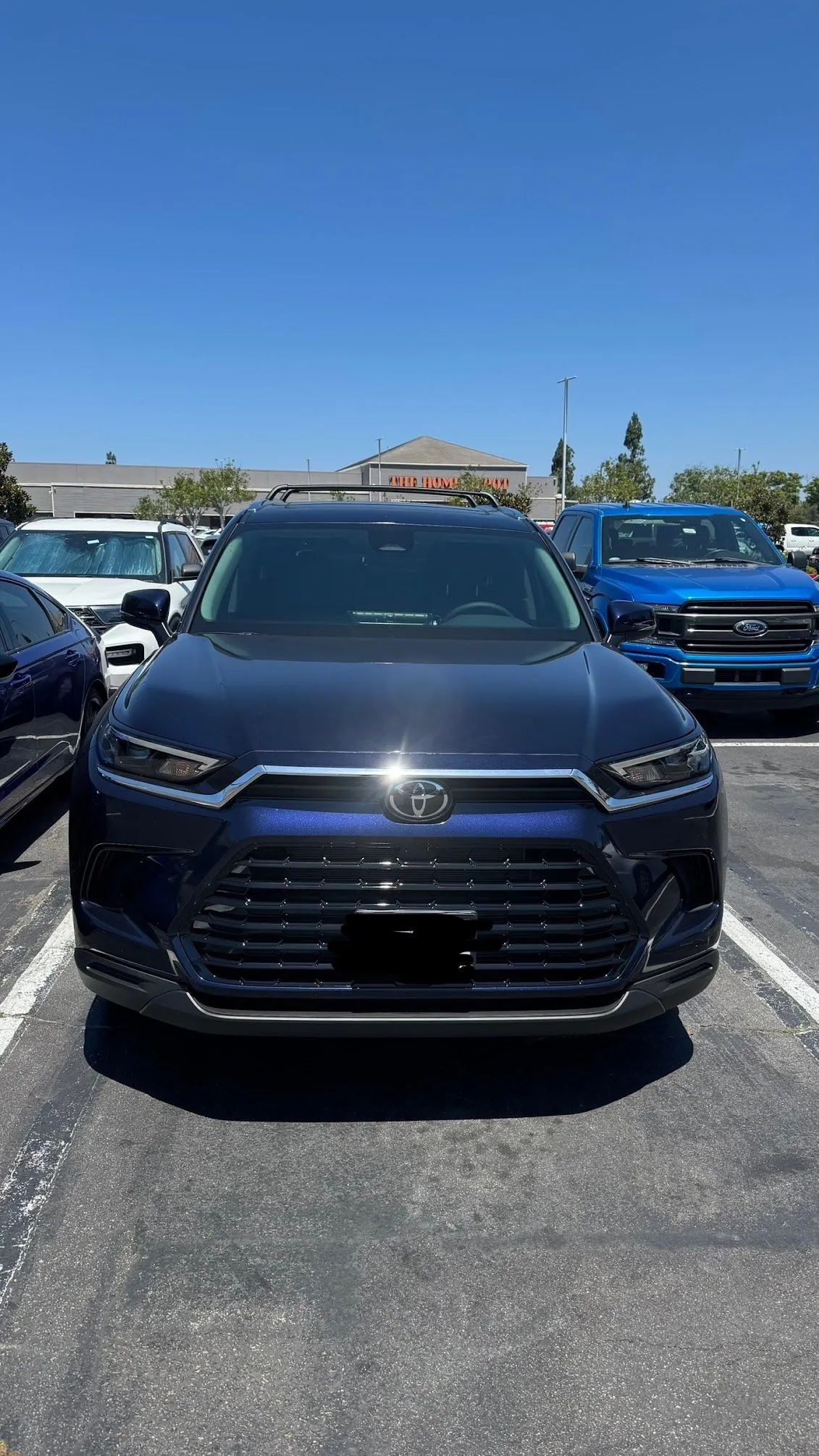
Daily drivers covering San Diego freeways benefit most from ceramic coating. Frequent exposure to UV, marine salt, road contaminants, and outdoor parking makes durable, bonded protection more practical than constantly reapplying wax.
Wax Still Makes Sense For Specific Situations
Wax remains practical for weekend cars that stay garaged and see limited sun. Some owners also prefer its distinctive shine and enjoy reapplying it, while occasional waxing can add gloss over ceramic coatings.
Newer Cars Benefit Most From Starting With Coating
Newer or recently corrected vehicles benefit from ceramic coating because it protects a freshly restored finish before swirl marks and etching accumulate. Starting early preserves the paint's best condition rather than correcting damage later.
Quick Answer: The right window tint cuts heat by rejecting infrared energy and blocking up to 99% of UV, while a darker or specialized film reduces glare by lowering visible light transmission. A quality ceramic film can reject a large share of infrared heat without a dark or mirrored look, so the cabin stays cooler, the dash is protected, and your eyes get relief from harsh sun. What separates real performance from cheap film is the technology in the layer and the quality of the install, not just how dark it looks.
You slide into the driver's seat after a few hours parked in the open, and the cabin hits you like an oven. The steering wheel is too hot to hold, the seats radiate heat through your shirt, and the dash is warm to the touch. Then you pull onto the freeway, the low sun catches the hood, and the glare off the glass and the road has you squinting behind your sunglasses. If you drive anywhere along the coast or inland from the beach, you know this is not a once-a-year problem. It is most of the year.
Here is the thing worth understanding before you pick a film off a shade chart: window tint is not just about looks or privacy. The right film is a piece of solar-control engineering. It manages the specific parts of sunlight that heat your cabin, fade your interior, and blind you at the wheel. Understanding how that works, and what separates a film that performs from one that just darkens the glass, is the difference between a cabin you actually enjoy and one you keep fighting. Let's break down what tint really does and how to choose a film that earns its keep in intense sun.
Addressing tint, vinyl, and PPF as separate projects can lead to inconsistent results, especially if different shops apply each product. When all three services come from the same team, the installation sequence is planned intentionally. PPF is typically applied before a vinyl wrap if partial coverage is the goal, and tint is applied after glass surfaces are fully prepared. This coordination prevents adhesion issues and ensures the products work together rather than competing.
Combining Tint, Vinyl, and PPF: A Full-Service Approach
Why Bundling Makes Sense
A thorough vehicle protection installation begins with a detailed inspection and paint decontamination. Any surface contamination left under PPF or vinyl will show through the film. The vehicle is then measured digitally or cut by hand, depending on the installer's approach, and the films are applied panel by panel in a controlled environment.
Curing time matters. PPF and vinyl both require time to fully adhere, and the vehicle should be kept dry and out of direct sunlight for 24 to 72 hours following installation. A reputable shop will provide specific aftercare instructions before the vehicle leaves the bay.
What to Expect During the Process
Not all installation shops offer the same level of skill or product quality. When evaluating a provider, ask about the brands of film they use, whether their installers carry any industry certifications, and whether they offer a warranty on both material and labor. Shops that invest in plotters, climate-controlled bays, and ongoing training typically deliver cleaner results with fewer issues over time. Reviewing portfolios of completed work is one of the most reliable ways to assess quality before committing.
Choosing the Right Shop
Proven Protection Solutions from San Diego's Experienced Specialists
Window tinting, vinyl wraps, and paint protection film each address a distinct need, but together they form a complete vehicle protection and customization strategy. Tint manages heat, glare, and UV exposure inside the cabin. Vinyl transforms the exterior appearance while allowing for future changes. PPF shields the paint from physical damage and environmental contamination. Understanding how these products work and how they interact helps vehicle owners invest in the right combination for their specific situation. When all three services are handled by an experienced team in a single facility, the results are more cohesive and the process is far more straightforward than managing multiple vendors separately.
For drivers in San Diego, California, SD Auto Enhancers brings over 25 years of hands-on experience to every window tinting, vinyl wrap, and PPF installation we complete. We work with premium film products and apply installation standards developed through decades of real-world service. Whether you are protecting a brand-new vehicle, refreshing a daily driver, or building a fleet wrap program, we approach every project with the same level of care and technical knowledge. Our familiarity with San Diego's climate conditions, from intense coastal UV exposure to warm inland temperatures, informs how we recommend and apply every product we install. Vehicle owners across the region trust us for professional window tinting, paint protection film installation, and vinyl wrap services that deliver lasting performance and outstanding results.
Frequently Asked Questions
Can I put wax on top of a ceramic coating?
Yes. Wax over a cured ceramic coating won't damage it and can add extra gloss or warmth, especially on darker colors. The coating still handles the durability and protection, so the wax layer stays cosmetic.
How much does San Diego's marine layer actually affect paint compared to inland areas?
Coastal areas see more direct exposure, but the marine layer pushes salt-laden moisture well inland on many mornings, so cars parked outdoors countywide still accumulate exposure. It rarely looks dramatic until a finish dulls unexpectedly
Does ceramic coating eliminate the need to wash my car?
No. A coated car still needs regular washing, ideally with pH-neutral products, and contaminants like bird droppings or bug splatter should be rinsed off promptly. What changes is how much easier washing becomes between visits.
Is ceramic coating worth it for an older car with existing swirl marks?
It can be, but paint correction should happen first. Ceramic coating locks in whatever condition the clear coat is in when it cures, so correcting swirl marks first gives the coating a surface to bond.
Will ceramic coating stop rock chips on the freeway?
No. Ceramic coating is a thin, hard layer, not a thick, impact-absorbing film, so it won't meaningfully reduce chip damage from freeway debris. Paint protection film handles that job, paired with a coating on top.
How do I know if my current wax or coating still has protective properties left?
Water behavior tells you most. Spray the hood with a hose: tight beading that rolls off quickly means the surface still works, while water that spreads or sits flat signals it's time for regular maintenance.
Quick Answer: The right window tint cuts heat by rejecting infrared energy and blocking up to 99% of UV, while a darker or specialized film reduces glare by lowering visible light transmission. A quality ceramic film can reject a large share of infrared heat without a dark or mirrored look, so the cabin stays cooler, the dash is protected, and your eyes get relief from harsh sun. What separates real performance from cheap film is the technology in the layer and the quality of the install, not just how dark it looks.
You slide into the driver's seat after a few hours parked in the open, and the cabin hits you like an oven. The steering wheel is too hot to hold, the seats radiate heat through your shirt, and the dash is warm to the touch. Then you pull onto the freeway, the low sun catches the hood, and the glare off the glass and the road has you squinting behind your sunglasses. If you drive anywhere along the coast or inland from the beach, you know this is not a once-a-year problem. It is most of the year.
Here is the thing worth understanding before you pick a film off a shade chart: window tint is not just about looks or privacy. The right film is a piece of solar-control engineering. It manages the specific parts of sunlight that heat your cabin, fade your interior, and blind you at the wheel. Understanding how that works, and what separates a film that performs from one that just darkens the glass, is the difference between a cabin you actually enjoy and one you keep fighting. Let's break down what tint really does and how to choose a film that earns its keep in intense sun.
Addressing tint, vinyl, and PPF as separate projects can lead to inconsistent results, especially if different shops apply each product. When all three services come from the same team, the installation sequence is planned intentionally. PPF is typically applied before a vinyl wrap if partial coverage is the goal, and tint is applied after glass surfaces are fully prepared. This coordination prevents adhesion issues and ensures the products work together rather than competing.
Combining Tint, Vinyl, and PPF: A Full-Service Approach
Why Bundling Makes Sense
A thorough vehicle protection installation begins with a detailed inspection and paint decontamination. Any surface contamination left under PPF or vinyl will show through the film. The vehicle is then measured digitally or cut by hand, depending on the installer's approach, and the films are applied panel by panel in a controlled environment.
Curing time matters. PPF and vinyl both require time to fully adhere, and the vehicle should be kept dry and out of direct sunlight for 24 to 72 hours following installation. A reputable shop will provide specific aftercare instructions before the vehicle leaves the bay.
What to Expect During the Process
Not all installation shops offer the same level of skill or product quality. When evaluating a provider, ask about the brands of film they use, whether their installers carry any industry certifications, and whether they offer a warranty on both material and labor. Shops that invest in plotters, climate-controlled bays, and ongoing training typically deliver cleaner results with fewer issues over time. Reviewing portfolios of completed work is one of the most reliable ways to assess quality before committing.
Choosing the Right Shop
Proven Protection Solutions from San Diego's Experienced Specialists
Window tinting, vinyl wraps, and paint protection film each address a distinct need, but together they form a complete vehicle protection and customization strategy. Tint manages heat, glare, and UV exposure inside the cabin. Vinyl transforms the exterior appearance while allowing for future changes. PPF shields the paint from physical damage and environmental contamination. Understanding how these products work and how they interact helps vehicle owners invest in the right combination for their specific situation. When all three services are handled by an experienced team in a single facility, the results are more cohesive and the process is far more straightforward than managing multiple vendors separately.
For drivers in San Diego, California, SD Auto Enhancers brings over 25 years of hands-on experience to every window tinting, vinyl wrap, and PPF installation we complete. We work with premium film products and apply installation standards developed through decades of real-world service. Whether you are protecting a brand-new vehicle, refreshing a daily driver, or building a fleet wrap program, we approach every project with the same level of care and technical knowledge. Our familiarity with San Diego's climate conditions, from intense coastal UV exposure to warm inland temperatures, informs how we recommend and apply every product we install. Vehicle owners across the region trust us for professional window tinting, paint protection film installation, and vinyl wrap services that deliver lasting performance and outstanding results.
Finding the Right Fit for Your Paint
Wax and ceramic coating solve different problems, and San Diego's climate exposes that difference fast. A wax job looks great for a few weeks before UV and washing wear it down, while a bonded ceramic coating keeps working through the same sun, salt air, and freeway grime for years. Neither is universally right. What matters is how much time a car spends outside, how many miles it covers, and whether reapplying protection every few weeks sounds reasonable or a multi-year plan fits better.
That assessment is easier with an experienced eye on the actual paint rather than a generic recommendation. SD Auto Enhancers, based in San Diego, CA, has spent 25
years working with the exact combination of UV exposure, coastal salt, and freeway grime that shapes this decision locally. That background is what separates a coating recommendation built for this climate from one borrowed from a market where paint never has to work this hard against the sun and the air around it.