Interior Baking in the Sun? How the Right Window Tint Cuts Heat and Glare
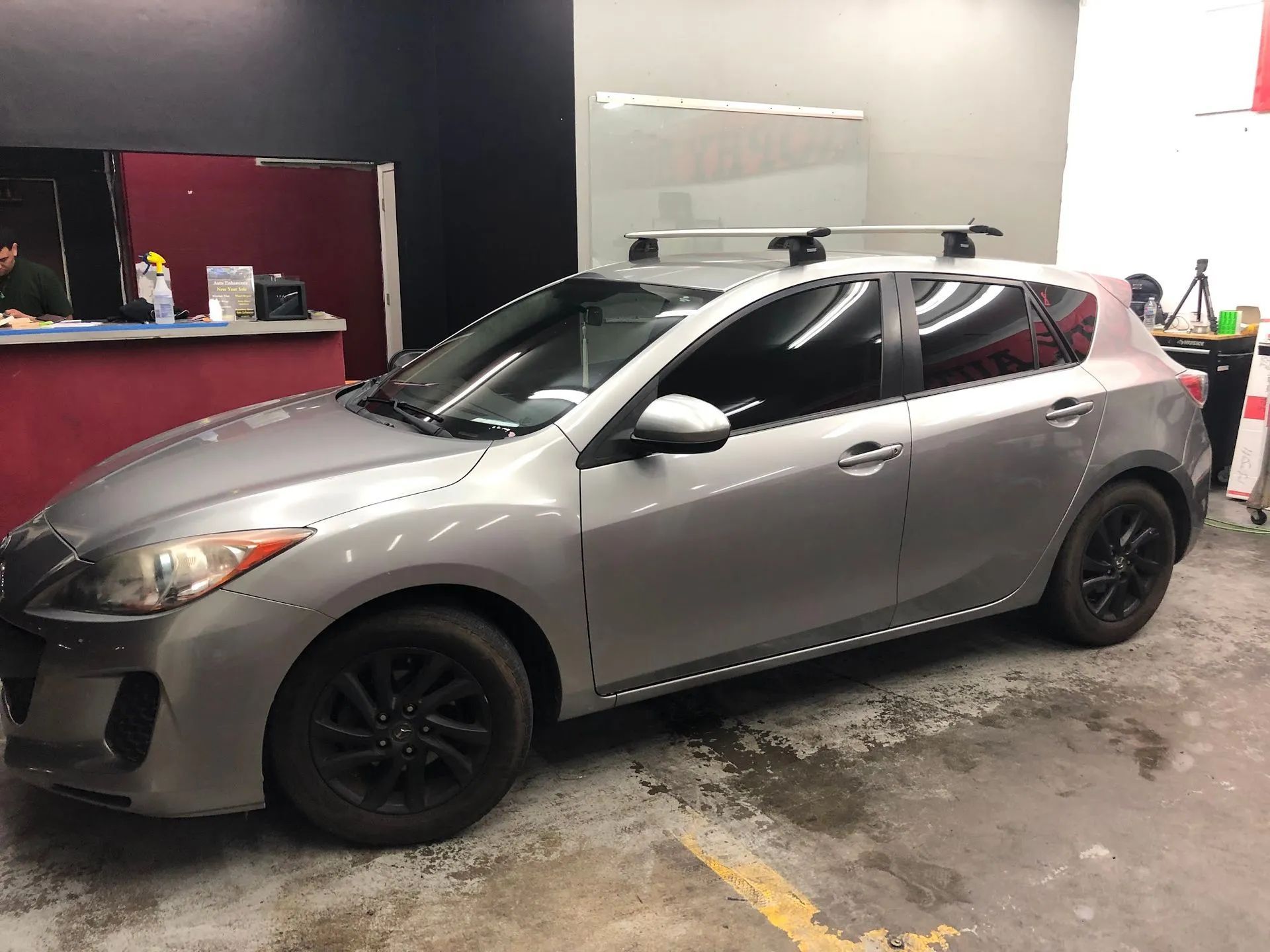
Addressing tint, vinyl, and PPF as separate projects can lead to inconsistent results, especially if different shops apply each product. When all three services come from the same team, the installation sequence is planned intentionally. PPF is typically applied before a vinyl wrap if partial coverage is the goal, and tint is applied after glass surfaces are fully prepared. This coordination prevents adhesion issues and ensures the products work together rather than competing.
Combining Tint, Vinyl, and PPF: A Full-Service Approach
Why Bundling Makes Sense
A thorough vehicle protection installation begins with a detailed inspection and paint decontamination. Any surface contamination left under PPF or vinyl will show through the film. The vehicle is then measured digitally or cut by hand, depending on the installer's approach, and the films are applied panel by panel in a controlled environment.
Curing time matters. PPF and vinyl both require time to fully adhere, and the vehicle should be kept dry and out of direct sunlight for 24 to 72 hours following installation. A reputable shop will provide specific aftercare instructions before the vehicle leaves the bay.
What to Expect During the Process
Not all installation shops offer the same level of skill or product quality. When evaluating a provider, ask about the brands of film they use, whether their installers carry any industry certifications, and whether they offer a warranty on both material and labor. Shops that invest in plotters, climate-controlled bays, and ongoing training typically deliver cleaner results with fewer issues over time. Reviewing portfolios of completed work is one of the most reliable ways to assess quality before committing.
Choosing the Right Shop
Proven Protection Solutions from San Diego's Experienced Specialists
Window tinting, vinyl wraps, and paint protection film each address a distinct need, but together they form a complete vehicle protection and customization strategy. Tint manages heat, glare, and UV exposure inside the cabin. Vinyl transforms the exterior appearance while allowing for future changes. PPF shields the paint from physical damage and environmental contamination. Understanding how these products work and how they interact helps vehicle owners invest in the right combination for their specific situation. When all three services are handled by an experienced team in a single facility, the results are more cohesive and the process is far more straightforward than managing multiple vendors separately.
For drivers in San Diego, California, SD Auto Enhancers brings over 25 years of hands-on experience to every window tinting, vinyl wrap, and PPF installation we complete. We work with premium film products and apply installation standards developed through decades of real-world service. Whether you are protecting a brand-new vehicle, refreshing a daily driver, or building a fleet wrap program, we approach every project with the same level of care and technical knowledge. Our familiarity with San Diego's climate conditions, from intense coastal UV exposure to warm inland temperatures, informs how we recommend and apply every product we install. Vehicle owners across the region trust us for professional window tinting, paint protection film installation, and vinyl wrap services that deliver lasting performance and outstanding results.
Quick Answer: The right window tint cuts heat by rejecting infrared energy and blocking up to 99% of UV, while a darker or specialized film reduces glare by lowering visible light transmission. A quality ceramic film can reject a large share of infrared heat without a dark or mirrored look, so the cabin stays cooler, the dash is protected, and your eyes get relief from harsh sun. What separates real performance from cheap film is the technology in the layer and the quality of the install, not just how dark it looks.
You slide into the driver's seat after a few hours parked in the open, and the cabin hits you like an oven. The steering wheel is too hot to hold, the seats radiate heat through your shirt, and the dash is warm to the touch. Then you pull onto the freeway, the low sun catches the hood, and the glare off the glass and the road has you squinting behind your sunglasses. If you drive anywhere along the coast or inland from the beach, you know this is not a once-a-year problem. It is most of the year.
Here is the thing worth understanding before you pick a film off a shade chart: window tint is not just about looks or privacy. The right film is a piece of solar-control engineering. It manages the specific parts of sunlight that heat your cabin, fade your interior, and blind you at the wheel. Understanding how that works, and what separates a film that performs from one that just darkens the glass, is the difference between a cabin you actually enjoy and one you keep fighting. Let's break down what tint really does and how to choose a film that earns its keep in intense sun.
Quick Answer: The right window tint cuts heat by rejecting infrared energy and blocking up to 99% of UV, while a darker or specialized film reduces glare by lowering visible light transmission. A quality ceramic film can reject a large share of infrared heat without a dark or mirrored look, so the cabin stays cooler, the dash is protected, and your eyes get relief from harsh sun. What separates real performance from cheap film is the technology in the layer and the quality of the install, not just how dark it looks.
You slide into the driver's seat after a few hours parked in the open, and the cabin hits you like an oven. The steering wheel is too hot to hold, the seats radiate heat through your shirt, and the dash is warm to the touch. Then you pull onto the freeway, the low sun catches the hood, and the glare off the glass and the road has you squinting behind your sunglasses. If you drive anywhere along the coast or inland from the beach, you know this is not a once-a-year problem. It is most of the year.
Here is the thing worth understanding before you pick a film off a shade chart: window tint is not just about looks or privacy. The right film is a piece of solar-control engineering. It manages the specific parts of sunlight that heat your cabin, fade your interior, and blind you at the wheel. Understanding how that works, and what separates a film that performs from one that just darkens the glass, is the difference between a cabin you actually enjoy and one you keep fighting. Let's break down what tint really does and how to choose a film that earns its keep in intense sun.
Addressing tint, vinyl, and PPF as separate projects can lead to inconsistent results, especially if different shops apply each product. When all three services come from the same team, the installation sequence is planned intentionally. PPF is typically applied before a vinyl wrap if partial coverage is the goal, and tint is applied after glass surfaces are fully prepared. This coordination prevents adhesion issues and ensures the products work together rather than competing.
Combining Tint, Vinyl, and PPF: A Full-Service Approach
Why Bundling Makes Sense
A thorough vehicle protection installation begins with a detailed inspection and paint decontamination. Any surface contamination left under PPF or vinyl will show through the film. The vehicle is then measured digitally or cut by hand, depending on the installer's approach, and the films are applied panel by panel in a controlled environment.
Curing time matters. PPF and vinyl both require time to fully adhere, and the vehicle should be kept dry and out of direct sunlight for 24 to 72 hours following installation. A reputable shop will provide specific aftercare instructions before the vehicle leaves the bay.
What to Expect During the Process
Not all installation shops offer the same level of skill or product quality. When evaluating a provider, ask about the brands of film they use, whether their installers carry any industry certifications, and whether they offer a warranty on both material and labor. Shops that invest in plotters, climate-controlled bays, and ongoing training typically deliver cleaner results with fewer issues over time. Reviewing portfolios of completed work is one of the most reliable ways to assess quality before committing.
Choosing the Right Shop
Proven Protection Solutions from San Diego's Experienced Specialists
Window tinting, vinyl wraps, and paint protection film each address a distinct need, but together they form a complete vehicle protection and customization strategy. Tint manages heat, glare, and UV exposure inside the cabin. Vinyl transforms the exterior appearance while allowing for future changes. PPF shields the paint from physical damage and environmental contamination. Understanding how these products work and how they interact helps vehicle owners invest in the right combination for their specific situation. When all three services are handled by an experienced team in a single facility, the results are more cohesive and the process is far more straightforward than managing multiple vendors separately.
For drivers in San Diego, California, SD Auto Enhancers brings over 25 years of hands-on experience to every window tinting, vinyl wrap, and PPF installation we complete. We work with premium film products and apply installation standards developed through decades of real-world service. Whether you are protecting a brand-new vehicle, refreshing a daily driver, or building a fleet wrap program, we approach every project with the same level of care and technical knowledge. Our familiarity with San Diego's climate conditions, from intense coastal UV exposure to warm inland temperatures, informs how we recommend and apply every product we install. Vehicle owners across the region trust us for professional window tinting, paint protection film installation, and vinyl wrap services that deliver lasting performance and outstanding results.
What Sunlight Is Actually Doing to Your Cabin
The three-part problem
To understand window tint, first understand sunlight. It contains visible light, ultraviolet (UV) rays, and infrared (IR) energy. Visible light creates glare, infrared produces heat, and UV causes fading and skin damage. Effective window tint is designed to manage all three, improving comfort, visibility, and interior protection instead of addressing only one issue.
Why the glass alone is not enough
Factory vehicle glass offers only limited protection. While windshields reduce some UV exposure, most side and rear windows allow significant UVA rays to pass through. That means heat, glare, and damaging ultraviolet radiation continue entering the cabin, affecting your comfort, your vehicle's interior, and your skin during everyday driving.
Quick Answer: The right window tint cuts heat by rejecting infrared energy and blocking up to 99% of UV, while a darker or specialized film reduces glare by lowering visible light transmission. A quality ceramic film can reject a large share of infrared heat without a dark or mirrored look, so the cabin stays cooler, the dash is protected, and your eyes get relief from harsh sun. What separates real performance from cheap film is the technology in the layer and the quality of the install, not just how dark it looks.
You slide into the driver's seat after a few hours parked in the open, and the cabin hits you like an oven. The steering wheel is too hot to hold, the seats radiate heat through your shirt, and the dash is warm to the touch. Then you pull onto the freeway, the low sun catches the hood, and the glare off the glass and the road has you squinting behind your sunglasses. If you drive anywhere along the coast or inland from the beach, you know this is not a once-a-year problem. It is most of the year.
Here is the thing worth understanding before you pick a film off a shade chart: window tint is not just about looks or privacy. The right film is a piece of solar-control engineering. It manages the specific parts of sunlight that heat your cabin, fade your interior, and blind you at the wheel. Understanding how that works, and what separates a film that performs from one that just darkens the glass, is the difference between a cabin you actually enjoy and one you keep fighting. Let's break down what tint really does and how to choose a film that earns its keep in intense sun.
Addressing tint, vinyl, and PPF as separate projects can lead to inconsistent results, especially if different shops apply each product. When all three services come from the same team, the installation sequence is planned intentionally. PPF is typically applied before a vinyl wrap if partial coverage is the goal, and tint is applied after glass surfaces are fully prepared. This coordination prevents adhesion issues and ensures the products work together rather than competing.
Combining Tint, Vinyl, and PPF: A Full-Service Approach
Why Bundling Makes Sense
A thorough vehicle protection installation begins with a detailed inspection and paint decontamination. Any surface contamination left under PPF or vinyl will show through the film. The vehicle is then measured digitally or cut by hand, depending on the installer's approach, and the films are applied panel by panel in a controlled environment.
Curing time matters. PPF and vinyl both require time to fully adhere, and the vehicle should be kept dry and out of direct sunlight for 24 to 72 hours following installation. A reputable shop will provide specific aftercare instructions before the vehicle leaves the bay.
What to Expect During the Process
Not all installation shops offer the same level of skill or product quality. When evaluating a provider, ask about the brands of film they use, whether their installers carry any industry certifications, and whether they offer a warranty on both material and labor. Shops that invest in plotters, climate-controlled bays, and ongoing training typically deliver cleaner results with fewer issues over time. Reviewing portfolios of completed work is one of the most reliable ways to assess quality before committing.
Choosing the Right Shop
Proven Protection Solutions from San Diego's Experienced Specialists
Window tinting, vinyl wraps, and paint protection film each address a distinct need, but together they form a complete vehicle protection and customization strategy. Tint manages heat, glare, and UV exposure inside the cabin. Vinyl transforms the exterior appearance while allowing for future changes. PPF shields the paint from physical damage and environmental contamination. Understanding how these products work and how they interact helps vehicle owners invest in the right combination for their specific situation. When all three services are handled by an experienced team in a single facility, the results are more cohesive and the process is far more straightforward than managing multiple vendors separately.
For drivers in San Diego, California, SD Auto Enhancers brings over 25 years of hands-on experience to every window tinting, vinyl wrap, and PPF installation we complete. We work with premium film products and apply installation standards developed through decades of real-world service. Whether you are protecting a brand-new vehicle, refreshing a daily driver, or building a fleet wrap program, we approach every project with the same level of care and technical knowledge. Our familiarity with San Diego's climate conditions, from intense coastal UV exposure to warm inland temperatures, informs how we recommend and apply every product we install. Vehicle owners across the region trust us for professional window tinting, paint protection film installation, and vinyl wrap services that deliver lasting performance and outstanding results.
How the Right Tint Cuts Heat
It is about infrared, not darkness
Many people assume darker window tint means better heat rejection, but shade alone does not determine performance. Advanced ceramic window films use microscopic nano-ceramic particles to block infrared heat, allowing the cabin to stay noticeably cooler without requiring an extremely dark tint that limits visibility.
The numbers back this up
Modern ceramic window films achieve exceptional heat rejection through advanced nano-ceramic technology. Premium products can block a high percentage of infrared heat while also reducing glare and UV exposure. Their cooling performance comes from engineered ceramic particles rather than simply using a darker film shade.
The number that actually tells you how it performs
When comparing window tint, Total Solar Energy Rejected (TSER) is the most useful performance rating. It measures how much total solar energy—including infrared, visible light, and UV—is blocked, giving a more complete picture of cooling performance than darkness or infrared ratings alone.
Tip: When you talk to an installer, ask for the film's TSER and infrared rejection figures, not just how dark it looks. Two films at the same visible darkness can perform very differently in the heat, and the spec sheet is where the difference shows up.
Quick Answer: The right window tint cuts heat by rejecting infrared energy and blocking up to 99% of UV, while a darker or specialized film reduces glare by lowering visible light transmission. A quality ceramic film can reject a large share of infrared heat without a dark or mirrored look, so the cabin stays cooler, the dash is protected, and your eyes get relief from harsh sun. What separates real performance from cheap film is the technology in the layer and the quality of the install, not just how dark it looks.
You slide into the driver's seat after a few hours parked in the open, and the cabin hits you like an oven. The steering wheel is too hot to hold, the seats radiate heat through your shirt, and the dash is warm to the touch. Then you pull onto the freeway, the low sun catches the hood, and the glare off the glass and the road has you squinting behind your sunglasses. If you drive anywhere along the coast or inland from the beach, you know this is not a once-a-year problem. It is most of the year.
Here is the thing worth understanding before you pick a film off a shade chart: window tint is not just about looks or privacy. The right film is a piece of solar-control engineering. It manages the specific parts of sunlight that heat your cabin, fade your interior, and blind you at the wheel. Understanding how that works, and what separates a film that performs from one that just darkens the glass, is the difference between a cabin you actually enjoy and one you keep fighting. Let's break down what tint really does and how to choose a film that earns its keep in intense sun.
Addressing tint, vinyl, and PPF as separate projects can lead to inconsistent results, especially if different shops apply each product. When all three services come from the same team, the installation sequence is planned intentionally. PPF is typically applied before a vinyl wrap if partial coverage is the goal, and tint is applied after glass surfaces are fully prepared. This coordination prevents adhesion issues and ensures the products work together rather than competing.
Combining Tint, Vinyl, and PPF: A Full-Service Approach
Why Bundling Makes Sense
A thorough vehicle protection installation begins with a detailed inspection and paint decontamination. Any surface contamination left under PPF or vinyl will show through the film. The vehicle is then measured digitally or cut by hand, depending on the installer's approach, and the films are applied panel by panel in a controlled environment.
Curing time matters. PPF and vinyl both require time to fully adhere, and the vehicle should be kept dry and out of direct sunlight for 24 to 72 hours following installation. A reputable shop will provide specific aftercare instructions before the vehicle leaves the bay.
What to Expect During the Process
Not all installation shops offer the same level of skill or product quality. When evaluating a provider, ask about the brands of film they use, whether their installers carry any industry certifications, and whether they offer a warranty on both material and labor. Shops that invest in plotters, climate-controlled bays, and ongoing training typically deliver cleaner results with fewer issues over time. Reviewing portfolios of completed work is one of the most reliable ways to assess quality before committing.
Choosing the Right Shop
Proven Protection Solutions from San Diego's Experienced Specialists
Window tinting, vinyl wraps, and paint protection film each address a distinct need, but together they form a complete vehicle protection and customization strategy. Tint manages heat, glare, and UV exposure inside the cabin. Vinyl transforms the exterior appearance while allowing for future changes. PPF shields the paint from physical damage and environmental contamination. Understanding how these products work and how they interact helps vehicle owners invest in the right combination for their specific situation. When all three services are handled by an experienced team in a single facility, the results are more cohesive and the process is far more straightforward than managing multiple vendors separately.
For drivers in San Diego, California, SD Auto Enhancers brings over 25 years of hands-on experience to every window tinting, vinyl wrap, and PPF installation we complete. We work with premium film products and apply installation standards developed through decades of real-world service. Whether you are protecting a brand-new vehicle, refreshing a daily driver, or building a fleet wrap program, we approach every project with the same level of care and technical knowledge. Our familiarity with San Diego's climate conditions, from intense coastal UV exposure to warm inland temperatures, informs how we recommend and apply every product we install. Vehicle owners across the region trust us for professional window tinting, paint protection film installation, and vinyl wrap services that deliver lasting performance and outstanding results.
How the Right Tint Cuts Glare
Managing visible light without going too dark
Glare comes from visible light, making Visible Light Transmission (VLT) the key factor in tint selection. Lower VLT reduces harsh brightness entering your vehicle, easing eye strain and improving driving comfort while maintaining a clear, comfortable view of the road.
The trick is balance
Choosing the right tint means balancing glare reduction with visibility. Ceramic window films reject heat through advanced technology instead of darkness alone, allowing a moderate shade that cuts glare, blocks heat and UV rays, and preserves safe daytime and nighttime visibility.
Better vision after dark, too
Ceramic window tint also helps reduce glare from headlights and streetlights during nighttime driving, making commutes more comfortable. Its non-metal construction prevents interference with GPS, mobile phones, radio, and other electronic signals while providing long-lasting performance.
Quick Answer: The right window tint cuts heat by rejecting infrared energy and blocking up to 99% of UV, while a darker or specialized film reduces glare by lowering visible light transmission. A quality ceramic film can reject a large share of infrared heat without a dark or mirrored look, so the cabin stays cooler, the dash is protected, and your eyes get relief from harsh sun. What separates real performance from cheap film is the technology in the layer and the quality of the install, not just how dark it looks.
You slide into the driver's seat after a few hours parked in the open, and the cabin hits you like an oven. The steering wheel is too hot to hold, the seats radiate heat through your shirt, and the dash is warm to the touch. Then you pull onto the freeway, the low sun catches the hood, and the glare off the glass and the road has you squinting behind your sunglasses. If you drive anywhere along the coast or inland from the beach, you know this is not a once-a-year problem. It is most of the year.
Here is the thing worth understanding before you pick a film off a shade chart: window tint is not just about looks or privacy. The right film is a piece of solar-control engineering. It manages the specific parts of sunlight that heat your cabin, fade your interior, and blind you at the wheel. Understanding how that works, and what separates a film that performs from one that just darkens the glass, is the difference between a cabin you actually enjoy and one you keep fighting. Let's break down what tint really does and how to choose a film that earns its keep in intense sun.
Addressing tint, vinyl, and PPF as separate projects can lead to inconsistent results, especially if different shops apply each product. When all three services come from the same team, the installation sequence is planned intentionally. PPF is typically applied before a vinyl wrap if partial coverage is the goal, and tint is applied after glass surfaces are fully prepared. This coordination prevents adhesion issues and ensures the products work together rather than competing.
Combining Tint, Vinyl, and PPF: A Full-Service Approach
Why Bundling Makes Sense
A thorough vehicle protection installation begins with a detailed inspection and paint decontamination. Any surface contamination left under PPF or vinyl will show through the film. The vehicle is then measured digitally or cut by hand, depending on the installer's approach, and the films are applied panel by panel in a controlled environment.
Curing time matters. PPF and vinyl both require time to fully adhere, and the vehicle should be kept dry and out of direct sunlight for 24 to 72 hours following installation. A reputable shop will provide specific aftercare instructions before the vehicle leaves the bay.
What to Expect During the Process
Not all installation shops offer the same level of skill or product quality. When evaluating a provider, ask about the brands of film they use, whether their installers carry any industry certifications, and whether they offer a warranty on both material and labor. Shops that invest in plotters, climate-controlled bays, and ongoing training typically deliver cleaner results with fewer issues over time. Reviewing portfolios of completed work is one of the most reliable ways to assess quality before committing.
Choosing the Right Shop
Proven Protection Solutions from San Diego's Experienced Specialists
Window tinting, vinyl wraps, and paint protection film each address a distinct need, but together they form a complete vehicle protection and customization strategy. Tint manages heat, glare, and UV exposure inside the cabin. Vinyl transforms the exterior appearance while allowing for future changes. PPF shields the paint from physical damage and environmental contamination. Understanding how these products work and how they interact helps vehicle owners invest in the right combination for their specific situation. When all three services are handled by an experienced team in a single facility, the results are more cohesive and the process is far more straightforward than managing multiple vendors separately.
For drivers in San Diego, California, SD Auto Enhancers brings over 25 years of hands-on experience to every window tinting, vinyl wrap, and PPF installation we complete. We work with premium film products and apply installation standards developed through decades of real-world service. Whether you are protecting a brand-new vehicle, refreshing a daily driver, or building a fleet wrap program, we approach every project with the same level of care and technical knowledge. Our familiarity with San Diego's climate conditions, from intense coastal UV exposure to warm inland temperatures, informs how we recommend and apply every product we install. Vehicle owners across the region trust us for professional window tinting, paint protection film installation, and vinyl wrap services that deliver lasting performance and outstanding results.
The Damage You Do Not See Until It Adds Up
Your interior ages in the sun. Beyond comfort, there is the slow toll on the car itself. UV and heat are what fade a dashboard, crack a leather seat, and dull the plastics over years of sitting in the open. Quality film blocks up to 99% of UV rays, which is a major reason a protected interior holds up so much better than an unprotected one parked in the same conditions.
Your skin ages in the sun, too. This is the part most drivers never think about. The Skin Cancer Foundation notes that the UVA passing through your side windows reaches your skin, and it points to a striking case published in the New England Journal of Medicine: a man who drove a delivery truck for 28 years developed noticeably more wrinkling, aging, and damage on the left side of his face, the side next to the driver's window. In the U.S., skin cancers are more common on the left side of the body, likely because that is the side most exposed through the driver's window. UV window film that blocks 99% or more of UVA and UVB can earn The Skin Cancer Foundation's Seal of Recommendation, which is a useful thing to look for when you choose a film.
Warning: Do not assume every dark or cheap film gives you real UV and heat protection. Many low-cost films are made only to darken the glass and can let significant infrared and UV through, and some fade to purple or bubble in intense sun within a few years. Darkness on the glass is not the same as protection behind it, so verify the film's UV and heat specs rather than judging by shade.
Quick Answer: The right window tint cuts heat by rejecting infrared energy and blocking up to 99% of UV, while a darker or specialized film reduces glare by lowering visible light transmission. A quality ceramic film can reject a large share of infrared heat without a dark or mirrored look, so the cabin stays cooler, the dash is protected, and your eyes get relief from harsh sun. What separates real performance from cheap film is the technology in the layer and the quality of the install, not just how dark it looks.
You slide into the driver's seat after a few hours parked in the open, and the cabin hits you like an oven. The steering wheel is too hot to hold, the seats radiate heat through your shirt, and the dash is warm to the touch. Then you pull onto the freeway, the low sun catches the hood, and the glare off the glass and the road has you squinting behind your sunglasses. If you drive anywhere along the coast or inland from the beach, you know this is not a once-a-year problem. It is most of the year.
Here is the thing worth understanding before you pick a film off a shade chart: window tint is not just about looks or privacy. The right film is a piece of solar-control engineering. It manages the specific parts of sunlight that heat your cabin, fade your interior, and blind you at the wheel. Understanding how that works, and what separates a film that performs from one that just darkens the glass, is the difference between a cabin you actually enjoy and one you keep fighting. Let's break down what tint really does and how to choose a film that earns its keep in intense sun.
Addressing tint, vinyl, and PPF as separate projects can lead to inconsistent results, especially if different shops apply each product. When all three services come from the same team, the installation sequence is planned intentionally. PPF is typically applied before a vinyl wrap if partial coverage is the goal, and tint is applied after glass surfaces are fully prepared. This coordination prevents adhesion issues and ensures the products work together rather than competing.
Combining Tint, Vinyl, and PPF: A Full-Service Approach
Why Bundling Makes Sense
A thorough vehicle protection installation begins with a detailed inspection and paint decontamination. Any surface contamination left under PPF or vinyl will show through the film. The vehicle is then measured digitally or cut by hand, depending on the installer's approach, and the films are applied panel by panel in a controlled environment.
Curing time matters. PPF and vinyl both require time to fully adhere, and the vehicle should be kept dry and out of direct sunlight for 24 to 72 hours following installation. A reputable shop will provide specific aftercare instructions before the vehicle leaves the bay.
What to Expect During the Process
Not all installation shops offer the same level of skill or product quality. When evaluating a provider, ask about the brands of film they use, whether their installers carry any industry certifications, and whether they offer a warranty on both material and labor. Shops that invest in plotters, climate-controlled bays, and ongoing training typically deliver cleaner results with fewer issues over time. Reviewing portfolios of completed work is one of the most reliable ways to assess quality before committing.
Choosing the Right Shop
Proven Protection Solutions from San Diego's Experienced Specialists
Window tinting, vinyl wraps, and paint protection film each address a distinct need, but together they form a complete vehicle protection and customization strategy. Tint manages heat, glare, and UV exposure inside the cabin. Vinyl transforms the exterior appearance while allowing for future changes. PPF shields the paint from physical damage and environmental contamination. Understanding how these products work and how they interact helps vehicle owners invest in the right combination for their specific situation. When all three services are handled by an experienced team in a single facility, the results are more cohesive and the process is far more straightforward than managing multiple vendors separately.
For drivers in San Diego, California, SD Auto Enhancers brings over 25 years of hands-on experience to every window tinting, vinyl wrap, and PPF installation we complete. We work with premium film products and apply installation standards developed through decades of real-world service. Whether you are protecting a brand-new vehicle, refreshing a daily driver, or building a fleet wrap program, we approach every project with the same level of care and technical knowledge. Our familiarity with San Diego's climate conditions, from intense coastal UV exposure to warm inland temperatures, informs how we recommend and apply every product we install. Vehicle owners across the region trust us for professional window tinting, paint protection film installation, and vinyl wrap services that deliver lasting performance and outstanding results.
Why the Install Matters as Much as the Film
Great film, badly installed, underperforms. Even the best ceramic film only delivers its rated performance when it is cut and applied correctly. A precise, bubble-free installation with clean edges is what lets the film seal to the glass and do its job across every window. Sloppy work shows up as bubbles, peeling edges, and gaps that undercut both the look and the protection you paid for.
Longevity comes from quality plus craftsmanship. In intense, year-round sun, cheap film and rushed work fail early: fading, purpling, and bubbling are the classic signs. A quality film that is professionally installed is built to resist fading, peeling, and bubbling and to hold its performance for many years. When you factor in coastal salt air, long freeway miles, and the relentless UV that comes with living near the beach, that durability is not a luxury; it is the whole reason to do it right the first time.
Quick Answer: The right window tint cuts heat by rejecting infrared energy and blocking up to 99% of UV, while a darker or specialized film reduces glare by lowering visible light transmission. A quality ceramic film can reject a large share of infrared heat without a dark or mirrored look, so the cabin stays cooler, the dash is protected, and your eyes get relief from harsh sun. What separates real performance from cheap film is the technology in the layer and the quality of the install, not just how dark it looks.
You slide into the driver's seat after a few hours parked in the open, and the cabin hits you like an oven. The steering wheel is too hot to hold, the seats radiate heat through your shirt, and the dash is warm to the touch. Then you pull onto the freeway, the low sun catches the hood, and the glare off the glass and the road has you squinting behind your sunglasses. If you drive anywhere along the coast or inland from the beach, you know this is not a once-a-year problem. It is most of the year.
Here is the thing worth understanding before you pick a film off a shade chart: window tint is not just about looks or privacy. The right film is a piece of solar-control engineering. It manages the specific parts of sunlight that heat your cabin, fade your interior, and blind you at the wheel. Understanding how that works, and what separates a film that performs from one that just darkens the glass, is the difference between a cabin you actually enjoy and one you keep fighting. Let's break down what tint really does and how to choose a film that earns its keep in intense sun.
Addressing tint, vinyl, and PPF as separate projects can lead to inconsistent results, especially if different shops apply each product. When all three services come from the same team, the installation sequence is planned intentionally. PPF is typically applied before a vinyl wrap if partial coverage is the goal, and tint is applied after glass surfaces are fully prepared. This coordination prevents adhesion issues and ensures the products work together rather than competing.
Combining Tint, Vinyl, and PPF: A Full-Service Approach
Why Bundling Makes Sense
A thorough vehicle protection installation begins with a detailed inspection and paint decontamination. Any surface contamination left under PPF or vinyl will show through the film. The vehicle is then measured digitally or cut by hand, depending on the installer's approach, and the films are applied panel by panel in a controlled environment.
Curing time matters. PPF and vinyl both require time to fully adhere, and the vehicle should be kept dry and out of direct sunlight for 24 to 72 hours following installation. A reputable shop will provide specific aftercare instructions before the vehicle leaves the bay.
What to Expect During the Process
Not all installation shops offer the same level of skill or product quality. When evaluating a provider, ask about the brands of film they use, whether their installers carry any industry certifications, and whether they offer a warranty on both material and labor. Shops that invest in plotters, climate-controlled bays, and ongoing training typically deliver cleaner results with fewer issues over time. Reviewing portfolios of completed work is one of the most reliable ways to assess quality before committing.
Choosing the Right Shop
Proven Protection Solutions from San Diego's Experienced Specialists
Window tinting, vinyl wraps, and paint protection film each address a distinct need, but together they form a complete vehicle protection and customization strategy. Tint manages heat, glare, and UV exposure inside the cabin. Vinyl transforms the exterior appearance while allowing for future changes. PPF shields the paint from physical damage and environmental contamination. Understanding how these products work and how they interact helps vehicle owners invest in the right combination for their specific situation. When all three services are handled by an experienced team in a single facility, the results are more cohesive and the process is far more straightforward than managing multiple vendors separately.
For drivers in San Diego, California, SD Auto Enhancers brings over 25 years of hands-on experience to every window tinting, vinyl wrap, and PPF installation we complete. We work with premium film products and apply installation standards developed through decades of real-world service. Whether you are protecting a brand-new vehicle, refreshing a daily driver, or building a fleet wrap program, we approach every project with the same level of care and technical knowledge. Our familiarity with San Diego's climate conditions, from intense coastal UV exposure to warm inland temperatures, informs how we recommend and apply every product we install. Vehicle owners across the region trust us for professional window tinting, paint protection film installation, and vinyl wrap services that deliver lasting performance and outstanding results.
Frequently Asked Questions
Does darker window tint always block more heat?
No. Darkness affects visible light, not heat rejection. A dark dyed film may still allow significant infrared heat inside. High-quality ceramic tint blocks more heat through advanced technology, so always compare infrared rejection and Total Solar Energy Rejected (TSER), not just shade.
What is the difference between ceramic tint and regular tint?
Ceramic tint uses nano-ceramic technology to reject infrared heat and block up to 99% of UV rays without interfering with electronic signals. Regular dyed films mainly darken glass, provide less heat rejection, and generally fade faster than premium ceramic options.
Will window tint stop my dashboard and seats from fading?
Quality window tint greatly slows fading by blocking up to 99% of harmful UV rays and reducing heat buildup. This helps protect dashboards, seats, trim, and other interior surfaces from cracking, discoloration, and premature aging caused by prolonged sun exposure.
Does window tint protect my skin while I drive?
Yes. Premium window tint blocks up to 99% of harmful UVA and UVB rays, reducing daily sun exposure while driving. Since side windows allow UVA through, quality tint provides valuable protection against premature skin aging and long-term UV damage.
Will tint make it harder to see at night?
Not when you choose the proper shade. Excessively dark tint can reduce nighttime visibility, but a professionally selected ceramic film minimizes glare from headlights while maintaining clear outward visibility, giving you greater comfort and safer driving after dark.
How long should a good window tint last?
A professionally installed, high-quality window tint can last for many years without fading, peeling, or bubbling. Premium ceramic films withstand intense sunlight far better than inexpensive dyed films, making both the product quality and installation equally important.
Quick Answer: The right window tint cuts heat by rejecting infrared energy and blocking up to 99% of UV, while a darker or specialized film reduces glare by lowering visible light transmission. A quality ceramic film can reject a large share of infrared heat without a dark or mirrored look, so the cabin stays cooler, the dash is protected, and your eyes get relief from harsh sun. What separates real performance from cheap film is the technology in the layer and the quality of the install, not just how dark it looks.
You slide into the driver's seat after a few hours parked in the open, and the cabin hits you like an oven. The steering wheel is too hot to hold, the seats radiate heat through your shirt, and the dash is warm to the touch. Then you pull onto the freeway, the low sun catches the hood, and the glare off the glass and the road has you squinting behind your sunglasses. If you drive anywhere along the coast or inland from the beach, you know this is not a once-a-year problem. It is most of the year.
Here is the thing worth understanding before you pick a film off a shade chart: window tint is not just about looks or privacy. The right film is a piece of solar-control engineering. It manages the specific parts of sunlight that heat your cabin, fade your interior, and blind you at the wheel. Understanding how that works, and what separates a film that performs from one that just darkens the glass, is the difference between a cabin you actually enjoy and one you keep fighting. Let's break down what tint really does and how to choose a film that earns its keep in intense sun.
Addressing tint, vinyl, and PPF as separate projects can lead to inconsistent results, especially if different shops apply each product. When all three services come from the same team, the installation sequence is planned intentionally. PPF is typically applied before a vinyl wrap if partial coverage is the goal, and tint is applied after glass surfaces are fully prepared. This coordination prevents adhesion issues and ensures the products work together rather than competing.
Combining Tint, Vinyl, and PPF: A Full-Service Approach
Why Bundling Makes Sense
A thorough vehicle protection installation begins with a detailed inspection and paint decontamination. Any surface contamination left under PPF or vinyl will show through the film. The vehicle is then measured digitally or cut by hand, depending on the installer's approach, and the films are applied panel by panel in a controlled environment.
Curing time matters. PPF and vinyl both require time to fully adhere, and the vehicle should be kept dry and out of direct sunlight for 24 to 72 hours following installation. A reputable shop will provide specific aftercare instructions before the vehicle leaves the bay.
What to Expect During the Process
Not all installation shops offer the same level of skill or product quality. When evaluating a provider, ask about the brands of film they use, whether their installers carry any industry certifications, and whether they offer a warranty on both material and labor. Shops that invest in plotters, climate-controlled bays, and ongoing training typically deliver cleaner results with fewer issues over time. Reviewing portfolios of completed work is one of the most reliable ways to assess quality before committing.
Choosing the Right Shop
Proven Protection Solutions from San Diego's Experienced Specialists
Window tinting, vinyl wraps, and paint protection film each address a distinct need, but together they form a complete vehicle protection and customization strategy. Tint manages heat, glare, and UV exposure inside the cabin. Vinyl transforms the exterior appearance while allowing for future changes. PPF shields the paint from physical damage and environmental contamination. Understanding how these products work and how they interact helps vehicle owners invest in the right combination for their specific situation. When all three services are handled by an experienced team in a single facility, the results are more cohesive and the process is far more straightforward than managing multiple vendors separately.
For drivers in San Diego, California, SD Auto Enhancers brings over 25 years of hands-on experience to every window tinting, vinyl wrap, and PPF installation we complete. We work with premium film products and apply installation standards developed through decades of real-world service. Whether you are protecting a brand-new vehicle, refreshing a daily driver, or building a fleet wrap program, we approach every project with the same level of care and technical knowledge. Our familiarity with San Diego's climate conditions, from intense coastal UV exposure to warm inland temperatures, informs how we recommend and apply every product we install. Vehicle owners across the region trust us for professional window tinting, paint protection film installation, and vinyl wrap services that deliver lasting performance and outstanding results.
Choosing Film That Actually Performs in the Sun
If your cabin bakes in the open and glare fights you at the wheel, the fix is not just any tint, it is the right tint chosen for how sunlight actually behaves. The heat you feel is infrared, the glare is visible light, and the slow damage to your interior and your skin is UV, and a genuinely good film manages all three. That is why the spec sheet matters more than the shade chart, and why a precise install matters as much as the film itself. When you match a high-performing ceramic film to your driving and have it installed cleanly, you get a cooler cabin, a clearer view, a protected interior, and real UV protection that lasts through years of hard sun and salt air.
Book a
window tint consultation — Instead of guessing from a shade chart, sit down with a specialist who will match your car and your driving to a film chosen for real infrared, UV, and glare performance, then install it cleanly so it lasts. SD Auto Enhancers has spent 25 years dialing in tint for the intense coastal sun, glare, and heat that come with driving here, and can walk you through the ceramic options that keep your cabin cool without going too dark. Reach out to schedule your consultation and take the guesswork out of getting it right the first time.