Full-Service Tint, Vinyl, and PPF Solutions: What You Need to Know for Your Vehicle
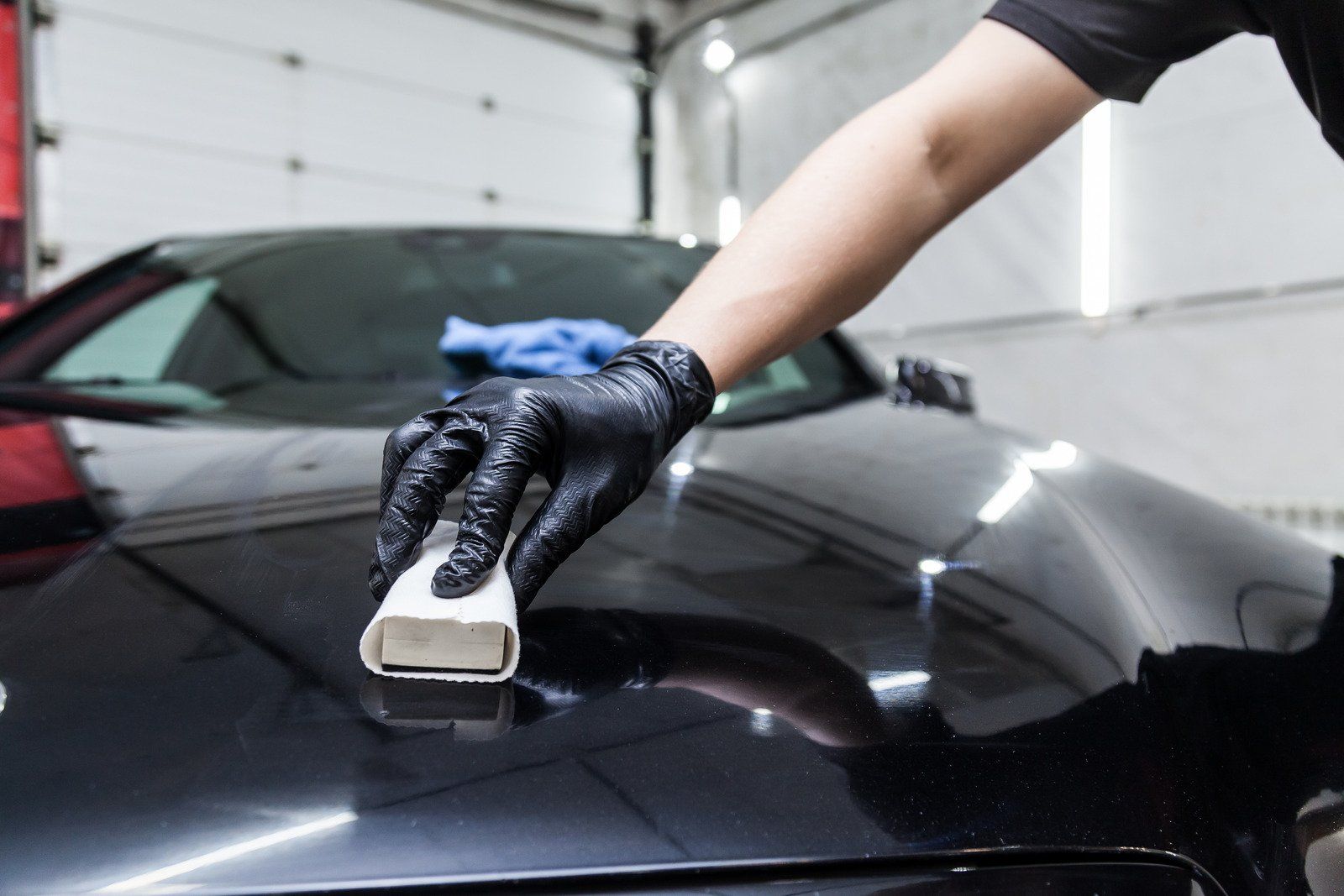
Your vehicle is one of the most significant investments you make, and protecting its appearance while improving its function is a priority that more drivers are taking seriously. Window tinting, vinyl wraps, and paint protection film have moved well beyond niche upgrades. They are now mainstream solutions that serve a real purpose, whether you are managing heat inside your cabin, protecting fresh paint from road damage, or transforming the exterior look of your car, truck, or SUV.
The industry has expanded rapidly over the last decade. Advances in film technology, ceramic coatings, and precision installation tools have made these services more accessible and more durable than ever before. For vehicle owners who want a comprehensive approach, bundling tint, vinyl, and PPF into a single service plan offers the most thorough coverage. Understanding what each product does, how they work together, and what to expect during the process will help you make informed decisions and get the most out of your vehicle protection investment.
Window Tinting: More Than Just Shade
What Tint Actually Does
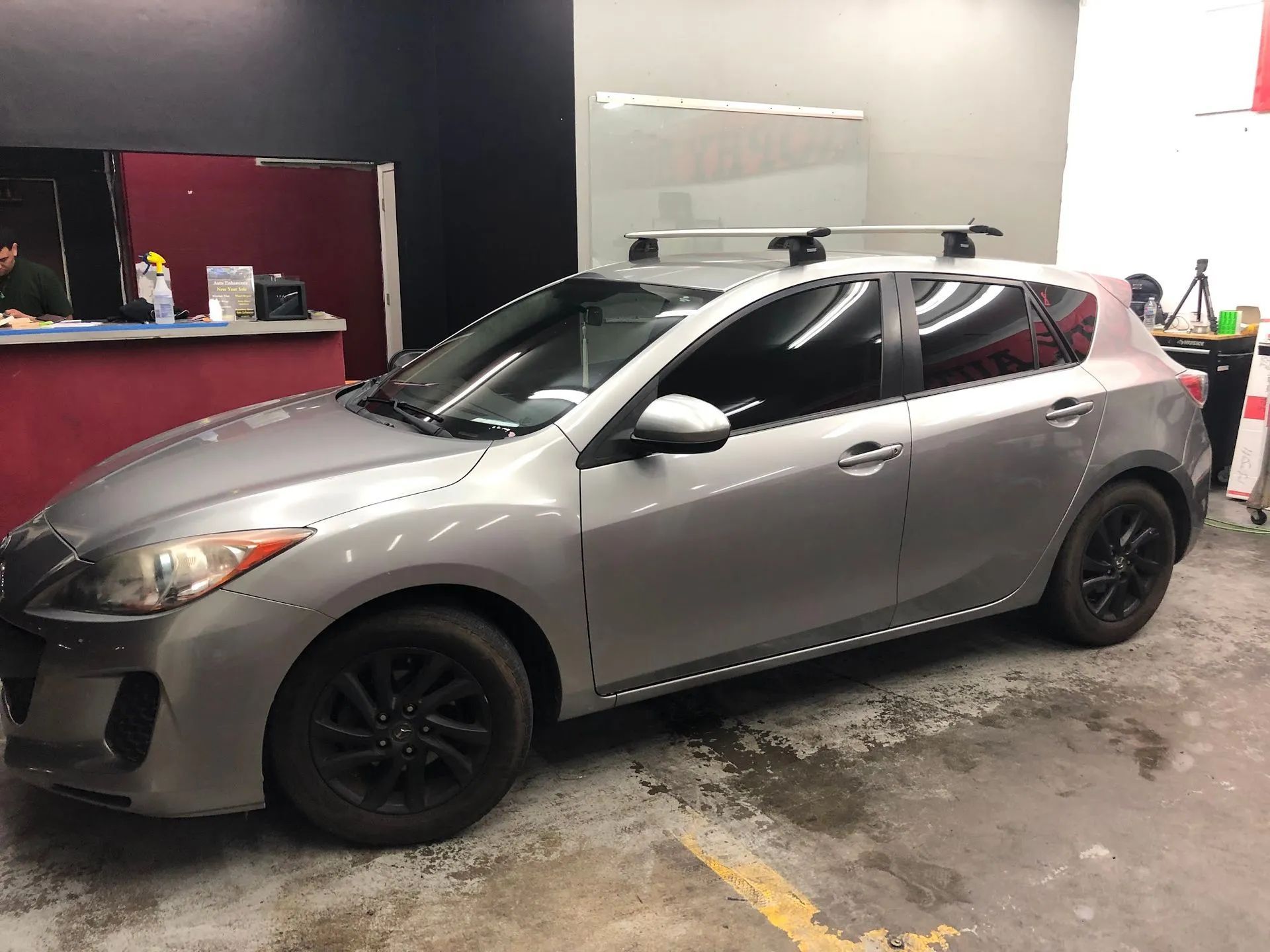
Window tinting is one of the most requested vehicle upgrades, and for good reason. A quality tint film blocks a significant portion of solar heat, reduces glare, and filters out ultraviolet radiation that fades upholstery and dashboard materials over time. Depending on the film type, a tint can reject anywhere from 35 to over 99 percent of infrared heat, which translates to a noticeably cooler interior during warm months.
There are several film categories available. Dyed films absorb heat and reduce glare at a lower price point, though they tend to fade over time. Metalized films reflect heat using embedded metallic particles and offer stronger durability. Carbon films provide solid heat rejection without interfering with electronic signals from GPS or Bluetooth. Ceramic films sit at the top of the performance range, offering maximum heat rejection, UV blocking, and signal clarity without the reflective appearance of metallic options.
Visible Light Transmission and Legal Compliance
Every state regulates how dark window tint can be, measured as visible light transmission (VLT). This percentage refers to the amount of light the film allows through. In California, for example, windshield tint is restricted to the top four inches, while front side windows must allow at least 70 percent VLT. Rear windows and the back glass have more flexibility. Working with a knowledgeable installer ensures your vehicle stays within legal limits while still achieving the comfort and privacy you want.
Vinyl Wraps: Complete Exterior Transformation
Full Wraps vs. Partial Wraps
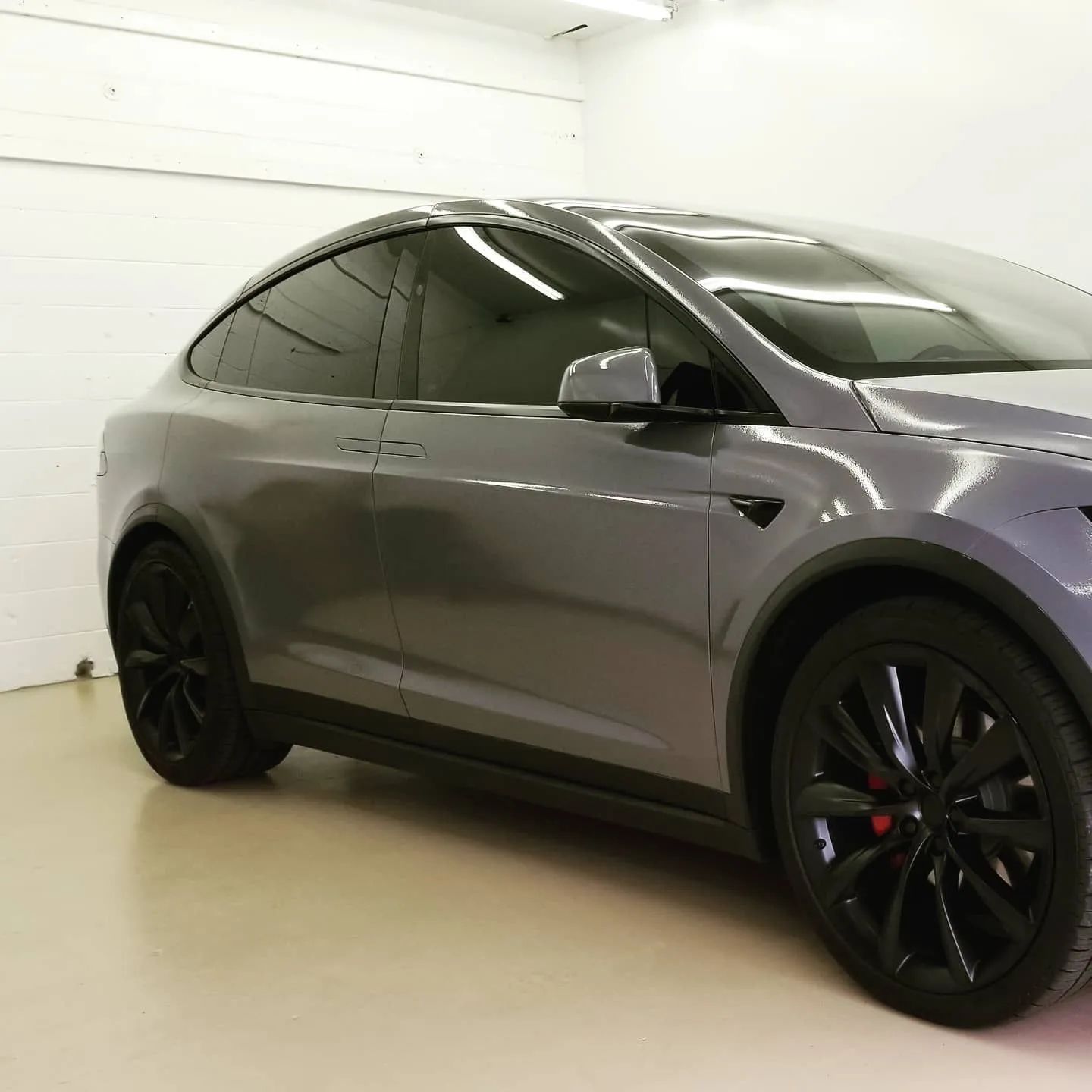
Vinyl wrapping has become one of the most popular ways to change a vehicle's appearance without committing to a permanent paint job. A full wrap covers the entire exterior surface of the vehicle with adhesive vinyl film, while a partial wrap targets specific panels, such as the hood, roof, or side doors.
Full wraps allow for total color changes, custom designs, matte or satin finishes, color shifts, and even textured looks like carbon fiber or brushed metal. Partial wraps are a practical choice when you want contrast accents or branding without covering the entire vehicle.
Durability and Maintenance
High-quality cast vinyl, which is the material used on professional wraps, is engineered to conform to curves and contours without distorting. Cast vinyl typically carries a lifespan of five to seven years under normal conditions, though this depends heavily on sun exposure, washing habits, and storage. Unlike paint, vinyl can be removed without damaging the original finish underneath, making it a reversible option for those who want flexibility.
Vinyl wraps do require some care. Hand washing is preferred over automated car washes with brushes, as abrasive contact can lift edges or cause micro-scratches. Avoiding prolonged exposure to direct sunlight and applying a UV-protective coating can extend the wrap's life.
Commercial and Fleet Applications
Vinyl wraps are widely used for commercial vehicles and fleet branding. A wrapped vehicle turns every mile driven into advertising space, and the wrap can be updated or removed when branding changes. For businesses operating multiple vehicles, this approach offers far greater flexibility than custom paint.
Paint Protection Film: Invisible Armor for Your Paint
How PPF Works
Paint protection film is a thermoplastic urethane film applied directly to painted surfaces to shield against physical damage. Unlike tint or vinyl, PPF is optically clear, meaning it preserves the original appearance of the paint while creating a barrier against road debris, small rocks, bug splatter, bird droppings, tree sap, and minor abrasions.
Modern PPF products include self-healing technology. When the film's surface is exposed to heat, either from sunlight or warm water, light swirl marks and surface scratches disappear as the film returns to its original state. This feature alone represents a major step forward from earlier versions of the product.
Coverage Options
| Coverage Level | Areas Included | Best For |
|---|---|---|
| Partial Front | Hood, bumper, mirrors, A-pillars | Daily drivers on highways |
| Full Front | Everything above plus fenders and doors | High-mileage or frequent road trips |
| Full Vehicle | Complete exterior coverage | Luxury, exotic, or new vehicles |
Most vehicle owners who prioritize paint preservation start with at least a full front package, since the front-facing surfaces take the most impact from highway driving. Full vehicle coverage is more common with luxury and exotic vehicles where preserving the finish long-term is a priority from day one.
PPF vs. Ceramic Coating
PPF and ceramic coating are often compared, but they serve different functions. PPF provides physical protection against impact and debris. Ceramic coating creates a hydrophobic layer that resists water, contamination, and UV damage, but it does not absorb physical impact. Many vehicle owners choose to combine both: PPF on high-impact zones and ceramic coating over the top for added water and UV resistance.
Combining Tint, Vinyl, and PPF: A Full-Service Approach
Why Bundling Makes Sense
Addressing tint, vinyl, and PPF as separate projects can lead to inconsistent results, especially if different shops apply each product. When all three services come from the same team, the installation sequence is planned intentionally. PPF is typically applied before a vinyl wrap if partial coverage is the goal, and tint is applied after glass surfaces are fully prepared. This coordination prevents adhesion issues and ensures the products work together rather than competing.
What to Expect During the Process
A thorough vehicle protection installation begins with a detailed inspection and paint decontamination. Any surface contamination left under PPF or vinyl will show through the film. The vehicle is then measured digitally or cut by hand, depending on the installer's approach, and the films are applied panel by panel in a controlled environment.
Curing time matters. PPF and vinyl both require time to fully adhere, and the vehicle should be kept dry and out of direct sunlight for 24 to 72 hours following installation. A reputable shop will provide specific aftercare instructions before the vehicle leaves the bay.
Choosing the Right Shop
Not all installation shops offer the same level of skill or product quality. When evaluating a provider, ask about the brands of film they use, whether their installers carry any industry certifications, and whether they offer a warranty on both material and labor. Shops that invest in plotters, climate-controlled bays, and ongoing training typically deliver cleaner results with fewer issues over time. Reviewing portfolios of completed work is one of the most reliable ways to assess quality before committing.
Proven Protection Solutions from San Diego's Experienced Specialists
Window tinting, vinyl wraps, and paint protection film each address a distinct need, but together they form a complete vehicle protection and customization strategy. Tint manages heat, glare, and UV exposure inside the cabin. Vinyl transforms the exterior appearance while allowing for future changes. PPF shields the paint from physical damage and environmental contamination. Understanding how these products work and how they interact helps vehicle owners invest in the right combination for their specific situation. When all three services are handled by an experienced team in a single facility, the results are more cohesive and the process is far more straightforward than managing multiple vendors separately.
For drivers in San Diego, California, SD Auto Enhancers brings over 25 years of hands-on experience to every window tinting, vinyl wrap, and PPF installation we complete. We work with premium film products and apply installation standards developed through decades of real-world service. Whether you are protecting a brand-new vehicle, refreshing a daily driver, or building a fleet wrap program, we approach every project with the same level of care and technical knowledge. Our familiarity with San Diego's climate conditions, from intense coastal UV exposure to warm inland temperatures, informs how we recommend and apply every product we install. Vehicle owners across the region trust us for professional window tinting, paint protection film installation, and vinyl wrap services that deliver lasting performance and outstanding results.
Frequently Asked Questions
How long does window tint last on a vehicle?
Most quality window tint films last between five and ten years, depending on the film type, installation quality, and how much direct sunlight the vehicle regularly receives over time.
Can vinyl wrap be applied over existing paint damage?
Vinyl wrap is not recommended as a way to hide paint damage. Surface imperfections, chips, or scratches beneath the film can show through or cause adhesion problems that shorten the wrap's lifespan
Will PPF yellow or discolor over time?
Lower-quality PPF products can yellow with prolonged UV exposure, but premium urethane films are formulated with UV inhibitors that resist discoloration and maintain clarity for years under normal conditions.
Is it possible to tint the windshield completely?
Most states, including California, restrict full windshield tinting for safety reasons. A legal tint strip across the top portion of the windshield is typically permitted, but full windshield coverage is not road legal.
How soon can a vehicle be washed after a vinyl wrap or PPF installation?
Most installers recommend waiting at least five to seven days before washing a freshly wrapped or PPF-treated vehicle, allowing the film adhesive to cure and bond properly to the surface.